

5 Coffee Trends to Watch in 2022

Nearly two years after the onset of the COVID-19 pandemic in the United States, consumers continue to rely on daily comforts for moments of normalcy in uncertain times. Coffee is at the top of that list.

For years, coffee has earned a top spot among America’s favorite drinks. In a recent national study, the National Coffee Association found 60% of respondents had a coffee in the past day, more than any other beverage — including water!

While it’s a safe bet that coffee will continue being the beverage of choice for many Americans, how they drink it is constantly changing, and the food and beverage industry needs to stay on top of these evolving trends to stay competitive.

We’ve pulled together some of the hottest trends to watch in 2022.

Continue Reading “5 Coffee Trends to Watch in 2022”

Machine Learning and AI in Food Plants: Where to Start

So you want to incorporate artificial intelligence and machine learning into your food processing facility — but where do you start? These tools have grown increasingly popular, and you’ve likely heard people discussing different platforms like Amazon Web Services (AWS), Google Cloud and Microsoft Azure. But how do you get access to these tools and what can they do?

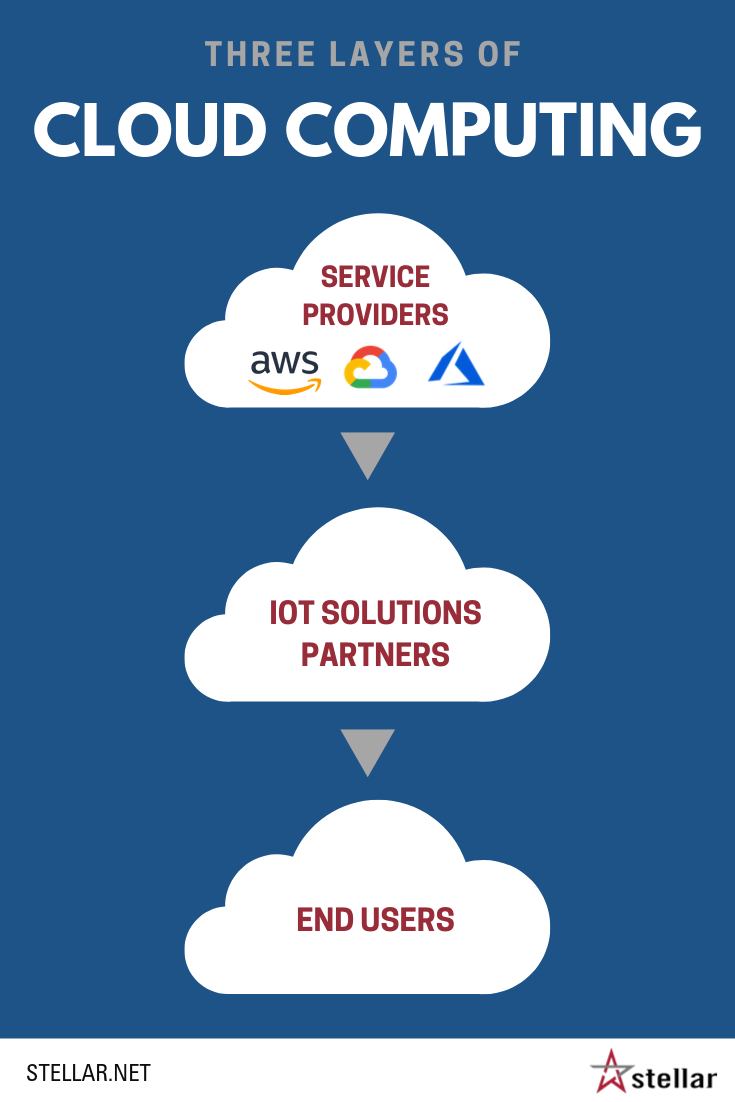
Three layers of cloud computing

When it comes to introducing machine learning to your processing, think of it as a three-tiered ecosystem:

1. Service providers (AWS, Google Cloud, Microsoft Azure)

2. IoT solutions partners (system integrators, data experts, etc.)

3. End users (Facility operator, plant owner, etc.)

Continue Reading “Machine Learning and AI in Food Plants: Where to Start”

5 Energy Conservation Strategies for Food and Beverage Plants

A food processing operation requires more energy than some may realize. Unless you’re the plant owner paying the electricity bill, you might not have considered how much energy is needed to keep things running. Food production (agriculture, transportation, processing and handling) accounts for nearly 20% of all fossil fuel use in the United States, and 16% of that energy is used for food processing alone.

While utility costs are inevitable, there are strategies to make food and beverage plants more efficient and save money in the long run — though they often require an upfront investment. Energy savings are a long-term payback; it’s important to keep that in mind when building a plant or modifying a current one. 

Continue Reading “5 Energy Conservation Strategies for Food and Beverage Plants”

7 Security Measures to Increase Facility Safety [Infographic]

Ensuring security and safety at your food or beverage plant has never been more important. Facility owners are increasingly considering how to best protect their product, investments and, most importantly, their employees. Following 9/11, the government even increased security regulations for these processing plants that are so integral to the nation’s food supply.

Of course, no amount of planning can absolutely guarantee safety or prevent an incident, but these design measures are effective at discouraging threats and improving security.

At Stellar, we’ve built numerous food plants, and we’re constantly exploring and designing new security measures into our projects. Here are seven ways to increase safety at your facility:

Continue Reading “7 Security Measures to Increase Facility Safety [Infographic]”

Recalls on the Rise: How to Design Food Safety into Employee Welfare Areas

Food safety has never been more important at processing and manufacturing facilities.

One in six Americans gets sick every year from eating contaminated foods, according to the Centers for Disease Control and Prevention. Plus, the problem is only growing: Food safety regulators in the U.S. are recalling about twice as many products now as a decade ago.  

While there are numerous best practices for incorporating food safety into the actual processing, employee welfare areas are a critical point of potential risk that can’t be ignored. This is especially true for facilities that have both raw and ready-to-eat (RTE) operations.

Let’s examine the various touch points employees encounter at a facility and how to design these spaces to maximize food safety.

Continue Reading “Recalls on the Rise: How to Design Food Safety into Employee Welfare Areas”

[Infographic] 6 Benefits of a CO2/NH3 Cascade System

CO2/NH3 cascade systems offer food processors a practical way to increase efficiency. By using two centralized refrigeration systems working in unison to provide cooling temperatures, they maximize the effect of carbon dioxide and ammonia. The high-temperature system pulls heat away from the low-temperature system, which in turn uses recirculated liquid to cool the evaporators.

Cascade systems that use CO2 as a secondary refrigerant offer unique advantages. Carbon dioxide is nontoxic and nonflammable, and is also less likely to damage food products in the event of a release. For food plant owners, CO2/NH3 cascade systems offer six key benefits, which are detailed below.

Continue Reading “[Infographic] 6 Benefits of a CO2/NH3 Cascade System”

Food processing plant design and Factory Mutual (FM) requirements: What you need to know

Address Factory Mutual requirements before construction begins


As a food processing design build firm, it’s the first question we ask our clients—are you planning to insure through Factory Mutual Insurance Company (FM Global)? As the preferred insurer for most commercial and industrial projects, Factory Mutual has rigorous specifications and standards so it’s important to address those requirements during the initial food processing design phase, whether you’re planning new construction or an expansion.

Continue Reading “Food processing plant design and Factory Mutual (FM) requirements: What you need to know”

14 Factors to Keep Your Refrigeration Compressor Package in Check

While we’ve already blogged about ways to determine the fitness of your refrigeration compressor, it’s important to pay attention to the big picture as well. Ensure you keep up with the the health of your entire refrigeration compressor package, as failure to check components including the motor, control panel and suction superheat, can cause major failures. Here are the 14 key factors to check within each component of your compressor package.

Continue Reading “14 Factors to Keep Your Refrigeration Compressor Package in Check”

4 Tips to Get Your New Process Facility ‘Off the Ground’

Facilities that support process operations produce some of the most expensive and complex buildings in the world. And they run the gamut: “Process operations” can range from baking desserts such as cakes to processing raw meat for grocery operations, to manufacturing parts and components for U.S. Navy submarines. 

So what do facilities across such diverse markets have in common besides being founded on their process? For one, the costly and painful struggle of getting the project started. Many times, important early stages are executed out-of-order or even too late. Let’s look at four recommendations that may seem obvious, but if executed properly, will take some of the pain out of beginning your next process facility.

Continue Reading “4 Tips to Get Your New Process Facility ‘Off the Ground’”

The Stage-Gate Approach and Why it’s at the Root of Successful Project Development Strategy

Process-related project development can be a lengthy, expensive and unnecessarily complicated process without a solid plan to guide the project from start to finish.

Imagine investing in a large, complex piece of equipment or component for your facility without first confirming the question of how it will be integrated into your existing controls/automation system. If it doesn’t easily “connect” (plug-and-play), then you may need to reengineer the system(s), buy additional hardware/software, and/or delay the project timeline to resolve an issue that should have been identified prior to the purchase. The same holds true for other questions, such as when this equipment should be installed. If it does not align with your overall business objectives and strategy, then there could be negative consequences.

The AIA stage-gate process (also referred to as the phase-gate process) is a project management technique that breaks down complex projects into structured phases to mitigate risk and ultimately minimize (ideally eliminate) the consequences of poor planning.

In this article, we will address the stage gate approach and how it pertains to the process equipment integration portion of a project.

Continue Reading “The Stage-Gate Approach and Why it’s at the Root of Successful Project Development Strategy”