

Benefits of Upgrading Your Refrigeration Controls

Modern refrigeration controls systems have truly come of age. If your controls system is more than a few years old, you might be surprised at the benefits that newer systems provide:

1. Ethernet architecture — Unlike older serial networks with slower, linear structure, new control systems operate via your existing Ethernet. These networks are non-proprietary so in-house IT teams can easily troubleshoot issues, and repair and replace parts.

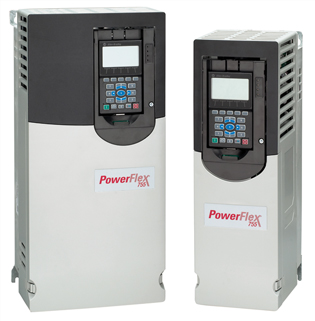
2. Improved compressor and VFD communications — Hard-wired serial control systems are slower to communicate with your compressors and VFDs. With an Ethernet platform, the system can pull data much quicker and more efficiently.

3. A single integrated platform — Old systems are often disjointed, with input/outputs, PLC hardware, VFDs, communications protocols and automation controllers all operating independently or requiring customized interfaces. Newer systems are integrated, providing you with a single, unified platform with standards-compliant methods for configuring, operating and maintaining a range of instruments and equipment.

4. Increased data availability — With a single, integrated platform, you’ll have increased access to energy, production, and utility cost information, leading to better decision-making at the management level. You can generate trend analyses, alarm logs, energy management data, and runtime reports in real-time to make the necessary changes and modifications to ensure your refrigeration system is running at optimal efficiency.

Continue Reading “Benefits of Upgrading Your Refrigeration Controls”

Wraparound or RSC Packaging? How Case Design Can Impact Your Bottom Line

The accelerated expansion of e-commerce over the past five years paired with ongoing supply chain constraints have affected a crucial area of food and beverage processing: packaging.

The price of corrugated has been steadily increasing for years, but recent data from the Bureau of Labor Statistics reveals a sharp spike in cost since the onset of the COVID-19 pandemic. The cost of corrugated and solid fiber box manufacturing products reached an all-time high in February 2022.

In the face of significant price increases, owners must be strategic and intentional with material purchases and investments. This is the perfect time to reevaluate your facility’s current packaging process, including whether a change in case style could help optimize your process and save money.

Continue Reading “Wraparound or RSC Packaging? How Case Design Can Impact Your Bottom Line”

Vertical Farming Can Bring Sustainability and Steadiness to the Supply Chain

As we explained in this previous post, vertical farming is a farming technique where crops are grown indoors in a laboratory-like, climate-controlled space. Instead of a crop being limited to geographical regions that provide the ideal growing conditions, vertical farmers can fine-tune the level of water, nutrients, humidity and temperature, as well as light frequency, duration and intensity to create the most ideal environment possible for the crop to grow.

A handful of rural conventional farms are the mega-producers that supply vast swathes of the country with fruits and vegetables, generally located far away from the urban and suburban areas where their crops are shipped to be made available to consumers. The shipping journey — often spanning thousands of miles of highway or open ocean — leads to large amounts of waste and product loss, in addition to creating a large carbon footprint. 

Continue Reading “Vertical Farming Can Bring Sustainability and Steadiness to the Supply Chain”

Sanitary Process Installation: What to Ask When Selecting a Subcontractor

Equipment manufacturers play a key role in the food safety program of a food processing plant, ensuring that equipment is designed and built to meet stringent sanitary requirements. Plant owners often spend significant time and money to acquire the right equipment with the proper sanitary construction. Yet once that equipment is designed and delivered, the next critical step is ensuring that it’s installed properly, within those same sanitary standards. If you do not carefully screen installation subcontractors, you could put your plant at risk of a food safety issue.

Continue Reading “Sanitary Process Installation: What to Ask When Selecting a Subcontractor”

4 Sustainability Features from Our Latest Award-winning Food Plant

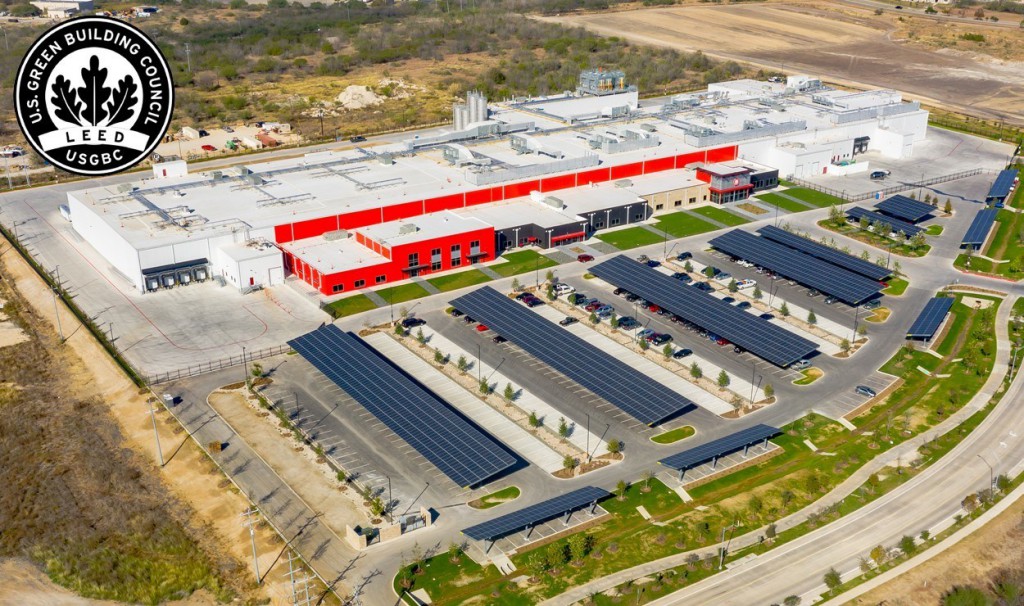
Stellar’s recent design-build project for Cuisine Solutions was named Food Engineering magazine’s 2021 Sustainable Plant of the Year. The LEED-registered facility in San Antonio, Texas, is the largest sous vide processing plant in the world with nearly $200 million in investment and measuring 315,000 square feet.

The state-of-the-art facility boasts innovative eco-friendly technologies both inside and out. In addition to saving millions of gallons of water annually via reuse in storage silos, Cuisine Solutions embraced many other sustainable measures. Let’s look at four of its notable sustainability features that could be relevant for other projects, regardless of product or processing.

Continue Reading “4 Sustainability Features from Our Latest Award-winning Food Plant”

4 Trends Food Companies Must Champion to Thrive in an Age of Disruptive Innovation

If you’re a decision maker in the food manufacturing space, ask yourself these questions:

  • Does your company value sustainability and transparency in its processing?
  • Is your boardroom as diverse as your customer base?
  • Are your company’s leaders listening to those customers to anticipate what they want?
  • Is your company taking tangible steps to be innovative, or does it just say it is?

If you want to thrive — not just survive — in today’s market, you must be answering “yes” to these questions… or at least taking actionable steps toward a “yes.”

The food and beverage industry is changing more than ever before thanks to disruptive innovation, the internet, evolving customer values and more.

Don’t be the next Blockbuster, Kodak or Myspace. The key is to be proactive, not reactive. Where should you begin? Consider these leading trends shaping the industry.

Continue Reading “4 Trends Food Companies Must Champion to Thrive in an Age of Disruptive Innovation”

Factors to Consider Before Using a Spec Building for a Food and Beverage Facility

If you’re considering sites for a new facility, you may come across listings for speculative (“spec”) buildings. Developers often construct these basic, pre-engineered buildings in anticipation of a future tenant, and they can be attractive for owners looking for a new space.

Upfront, spec buildings offer to reduce costs by cutting out design and construction steps from a tenant’s to-do list — but there’s a catch. Food and beverage manufacturing has unique needs and it’s impossible to guarantee a spec building will meet them without retrofitting. Although leasing a spec building may be attractive to manufacturers who want to ramp up production quickly, there is the potential that they will incur additional costs the owner wasn’t anticipating.

It can be a valuable option in certain situations, but there are factors to consider before making a final decision.

Continue Reading “Factors to Consider Before Using a Spec Building for a Food and Beverage Facility”

5 Things to Consider Before Investing in a New Value-Added Service at Your Cold Storage Warehouse

The fast-paced food and beverage industry is continually evolving, and clients are always looking for ways to streamline their distribution. When it comes to the cold storage business, a major trend today is the expansion of value-added services — additional, non-core services cold storage companies can offer clients. Many operators of traditional warehouse spaces are looking to diversify and create new revenue streams. Continue Reading “5 Things to Consider Before Investing in a New Value-Added Service at Your Cold Storage Warehouse”

How to Avoid Equipment Delays in Your Next Food Plant Construction Project

We still have a few months left in 2019, but if you’re considering building or renovating a facility sometime next year, the time to start planning may be now. Equipment lead times are growing longer — upwards of 18 to 26 weeks in some cases — and it can be even more for equipment shipped from overseas.

So how can you best prepare for your upcoming project so you don’t encounter equipment delays? In my experience, there are two major things to consider before meeting with your builder.

Continue Reading “How to Avoid Equipment Delays in Your Next Food Plant Construction Project”

Flexible Food Manufacturing: 5 ‘Blind Spots’ That Can Hurt Your Ability to Adapt to the Market

You could argue that flexibility in food manufacturing has never been more important: new generations of consumers are craving more variety, the internet is reshaping how food is packaged and purchased and a global pandemic just reminded us all of how crucial (and fragile) the supply chain can be.

With some speculating that history could (at least somewhat) repeat itself for another post-pandemic “Roaring Twenties,” how can food and beverage companies prepare for sustainable success in the decade ahead?

Continue Reading “Flexible Food Manufacturing: 5 ‘Blind Spots’ That Can Hurt Your Ability to Adapt to the Market”