

4 Food Plant Design and Construction Trends from 2017 That are Shaping the Industry

This year was characterized by continued change and disruption in the ever-evolving food and beverage industry from a record-breaking hurricane season to the Amazon-Whole Foods merger.

As a design-build firm specializing in food and beverage plants, we at Stellar observed some notable trends in 2017 that are shaping the way facilities operate and the way companies in the industry do business.

As we approach the new year, here are a few of my reflections and takeaways from the past year in the food and beverage industry.

Continue Reading “4 Food Plant Design and Construction Trends from 2017 That are Shaping the Industry”

What Is Automated Clash Detection? (And How Does It Benefit Your Facility’s Design?)

If you’re building a new facility, upwards of 50 people could be working on its design model at the same time. From electrical and mechanical engineers to architects and refrigeration specialists, it takes a team of experts from multiple disciplines to design a building and bring it to life.

So how do you know if your AEC firm is building your facility’s design model efficiently? If they’re not using smart technology, your project timeline could be longer than it has to be.

Continue Reading “What Is Automated Clash Detection? (And How Does It Benefit Your Facility’s Design?)”

Should You Change Your Packaging to Meet Grocery Delivery Demand?

In the wake of COVID-19, online grocery delivery has taken off. According to the 2020 Food Packaging & Consumer Behavior Report, 61% of survey respondents said their purchasing habits acquired during the pandemic will influence the way they shop in the future, and 51% reported using third-party grocery delivery apps within the past three months.

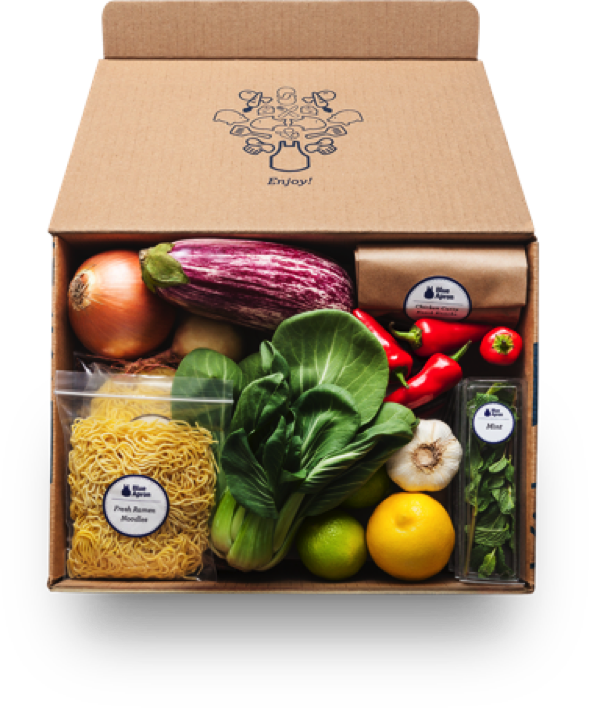
In light of this trend, food manufacturers may have to adapt their packaging to meet the requirements of grocery delivery. Instead of packages being stretch-wrapped onto a pallet to be unloaded by grocery store workers, they’ll be boxed and sent directly to consumers’ doorsteps. 

That means outgoing packages must be sturdy enough to withstand the increased vibration and movement across a courier’s distribution chain. Some items may be shipped as is or they will have to be sent inside another shipping box padded with extra dunnage (air bags, crinkled paper, bubble wrap). Products packed in glass, cans or other rigid packaging may have to be rethought.

Continue Reading “Should You Change Your Packaging to Meet Grocery Delivery Demand?”

Internet-connected LED Lighting: 4 Benefits for Warehouses and Food Plants

LED lighting has quickly become the industry standard in warehouses and manufacturing facilities. It’s more powerful, less expensive to operate and more controllable than ever before.

Now, LED lighting is being offered more and more as a network-connected item in today’s Internet of Things environment. This “smart” lighting goes beyond just the average motion detector, allowing greater flexibility and features for plant operators.

Continue Reading “Internet-connected LED Lighting: 4 Benefits for Warehouses and Food Plants”

Food Packaging: What’s Your Product’s Personality?

What’s the first thing you think about when walking into your office each morning? The reality is that you’re likely juggling several things at once, right out the gate.

Manufacturing and processing in the food and beverage space has a lot of moving parts (literally and figuratively), and food processors often have a lot on their plates — food safety priorities, personnel issues and distribution logistics are just a few.

But have you considered how your plant’s operations intersect with your company’s branding?

Continue Reading “Food Packaging: What’s Your Product’s Personality?”

Should You Invest Time and Resources to Prequalify Food Plant Subcontractors?

This is a question we hear food plant owners asking themselves time and time again when embarking on new projects. Do I really need to invest in prequalifying subcontractors? I have relationships with other vendors—why pay someone else to hire subs when I can save money and just pick people myself? There are plenty of reasons that hiring subs must be taken very, very seriously. The wrong decision can result in risks ranging from project delays and unexpected expenses to safety threats. And with food manufacturing facilities in particular, you have the added layer of food safety risks. Here are some things to keep in mind if you’re on the fence about investing time and resources into prequalifying food plant subcontractors for your project.

Continue Reading “Should You Invest Time and Resources to Prequalify Food Plant Subcontractors?”

Construction Labor Costs: 4 Ways to Avoid Budget Surprises in 2019

Photo by Matt Harding, Yuma Sun


As the economy thrives and capital investment grows, the construction market continues to face a labor shortage in 2019. This can especially be a factor when it comes to skilled labor for specialized disciplines, such as refrigeration.

What does this mean for food and beverage companies looking to build or expand? If it’s been a few years since your business has tackled a large capital investment project, you’ll need to manage expectations and plan accordingly. Today’s economy is a different playing field with different challenges.

If you’re planning to invest in a new facility, renovation or expansion, here are four things you can do to avoid budget surprises along the way.

Continue Reading “Construction Labor Costs: 4 Ways to Avoid Budget Surprises in 2019”

How to Evaluate Market Trends to Grow Your Food Business

As Henry Kissinger said, “If you don’t know where you are going, every road will get you nowhere.” But how do we develop an effective roadmap when the industry is in a state of transformation? During our Food Engineering webinar last week, co-host Diane Wolf and I discussed the importance of a strategic plan when preparing for your food manufacturing business’ future.

Continue Reading “How to Evaluate Market Trends to Grow Your Food Business”

AR on the Construction Site: See How Augmented Reality Benefits Builders and Owners [VIDEO]

Augmented reality (AR) is a powerful tool on Stellar’s job sites. Today’s AR technology is revolutionizing the way we design and build facilities, making construction projects more efficient and ultimately saving owners time and money.

Stellar leverages augmented reality in three major ways:

Continue Reading “AR on the Construction Site: See How Augmented Reality Benefits Builders and Owners [VIDEO]”