

Demand for Cold Storage Development Heats Up

Source: CBRE’s latest research report

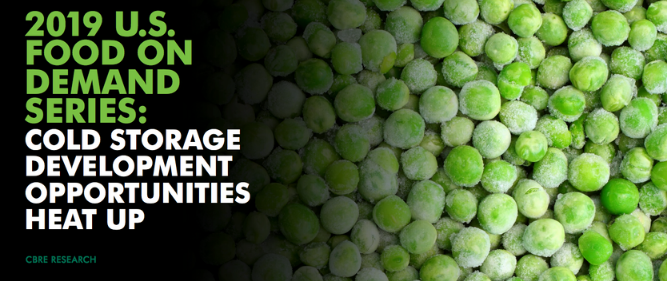
Growth in online grocery sales is stoking demand for cold storage facilities across the United States, according to a new research report from CBRE. The real estate services and investment firm found that up to 100 million square feet of additional capacity is needed to meet online sales through 2022.  

However, the cost and complexity of cold storage construction could make meeting that demand difficult. The resulting shortage will likely cause cold storage to become an even more coveted real estate asset – and those willing to invest in the market stand to reap major rewards. 

Read below for the top insights from CBRE’s latest cold storage report. 

Continue Reading “Demand for Cold Storage Development Heats Up”
Food Processing Plant Site Due Diligence: Soft Costs to Expect

Before selecting a site for your food processing plant, are you sure you’re accounting for all of the costs involved? In our last post, we outlined some key considerations for building a better greenfield budget. Here, I dive in deeper with the often forgotten soft costs, or fees that fall outside the realm of direct construction costs. These include pre-construction permits, impact fees and utility connection fees. To help you with your site due diligence, be sure to account for these soft costs commonly associated with new facility sites.

Continue Reading “Food Processing Plant Site Due Diligence: Soft Costs to Expect”

Arc Flash Hazard Analysis: 4 FAQs

Arc flashes are a potential safety risk when it comes to your manufacturing facility’s electrical equipment. But how can you ensure your employees are protected?

The National Fire Prevention Association (NFPA) 70E, “Standard for Electrical Safety in the Workplace,” provides safety procedures for using electricity on the job. One of its guidelines includes “arc flash” assessment and protection.

NFPA 70E is voluntary on the part of companies — that is, it is not enforced by any government agency — yet, we’re seeing more companies interested in conducting an “arc flash hazard analysis” of their electrical equipment.

Here are four frequently asked questions I’ve received about arc flashes and assessments to reduce them:

Continue Reading “Arc Flash Hazard Analysis: 4 FAQs”

[SlideShare] 3 Things to Know About the Changing Refrigeration Climate

Did you tune in to our Food Engineering webinar last week? We discussed the changing refrigeration climate, including what you should know about revised compliance schedules, innovative refrigeration technologies and the pros and cons for each. You can check out our full presentation in the SlideShare provided below.

Continue Reading “[SlideShare] 3 Things to Know About the Changing Refrigeration Climate”

How to Leverage Construction Data to Level Up Your Next Food Plant Project

Modern data collection and analytics have created infinite opportunities for businesses to leverage information to their advantage. Even the simplest piece of information can prove incredibly valuable to an operation when organized and used correctly.

However, storing data to let it sit collecting dust is a waste of time and resources. This is especially apparent in the food processing and construction industries because every moving piece can be cataloged and therefore analyzed to the user’s benefit. 

When used strategically, streamlined and actionable data integration can fuel effective and efficient decision-making at every stage of the design, construction and business management processes.

Continue Reading “How to Leverage Construction Data to Level Up Your Next Food Plant Project”

Designing Food Plant Welfare Spaces to Attract and Retain Employees

Food and beverage manufacturing facilities in the U.S. today are experiencing a labor shortage, mostly due to a healthy economy and low unemployment rate. Turnover rates at these facilities are already high to begin with, so more food plant owners are looking to attract employees and increase retention rates.

Many of Stellar’s clients — whether they are building new facilities or renovating existing ones — are asking us to design employee welfare spaces to be more unique and attractive to prospective employees.

While processing areas are still the heart of a food plant, these spaces are increasingly being viewed from a personnel-focused perspective. Plus, break rooms and employee amenities are becoming more important for business than ever before.

Continue Reading “Designing Food Plant Welfare Spaces to Attract and Retain Employees”

Four Key Budget Considerations in Designing Your Plant’s Mechanical System

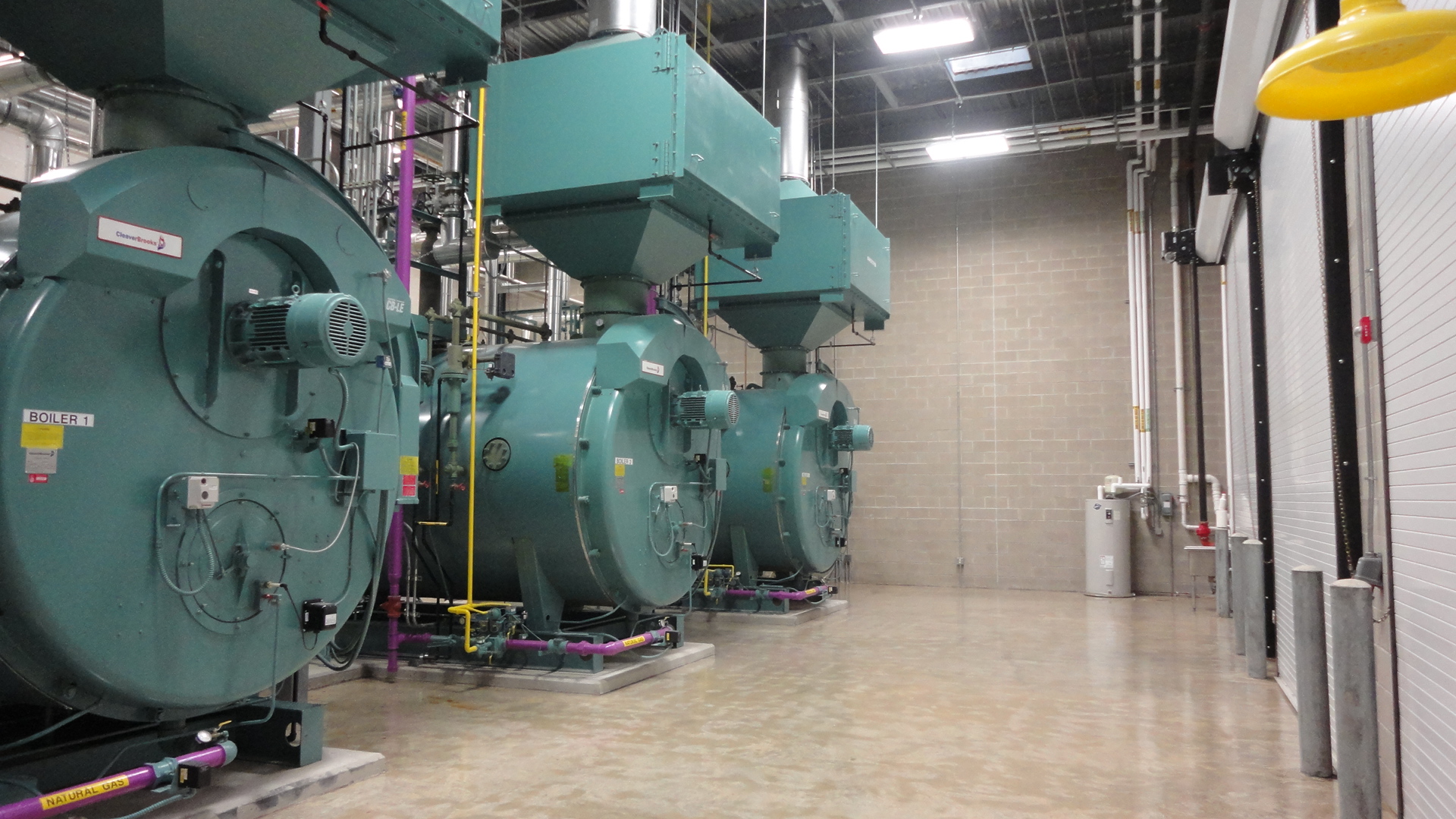
It is critical to plan for the future when designing your food processing plant’s mechanical systems. We find that many plants are now undergoing expensive retrofits because future needs were not appropriately considered. Not only are retrofits expensive, but if new equipment is not sized and sequenced effectively, it can significantly affect your energy costs. To avoid these issues, here are four budget considerations to address when designing your plant’s mechanical system:

Continue Reading “Four Key Budget Considerations in Designing Your Plant’s Mechanical System”

The FSMA Proposed Rule for Food Traceability (in a Nutshell)

The U.S. Food and Drug Administration (FDA) is proposing additional traceability recordkeeping requirements for those who manufacture, process, pack or store foods included on the Agency’s new Food Traceability List. The proposed rule is a key component of its New Era of Smarter Food Safety Blueprint and would implement Section 204(d) of the Food Safety Modernization Act (FSMA).

The additional recordkeeping requirements would apply not only to foods specifically listed on the Food Traceability List, but also to products that contain these foods as ingredients. Let’s look at what’s included:

Continue Reading “The FSMA Proposed Rule for Food Traceability (in a Nutshell)”

Food Processing Plant Down? 3 Solutions to Keep Operations Moving

Aside from producing high quality, safe products, what is one of the most important rules of food manufacturing? Do not short your customers. If a disaster puts your plant’s operations on pause, know your options for continuing production outside the walls of your facility. Co-packing, co-manufacturing and built-in redundancy are three solutions to keep your operations moving when your plant is down. Here are the key things to know about each.

Continue Reading “Food Processing Plant Down? 3 Solutions to Keep Operations Moving”

Choosing a Systems Integrator (SI) to Advance Your Automation Strategy

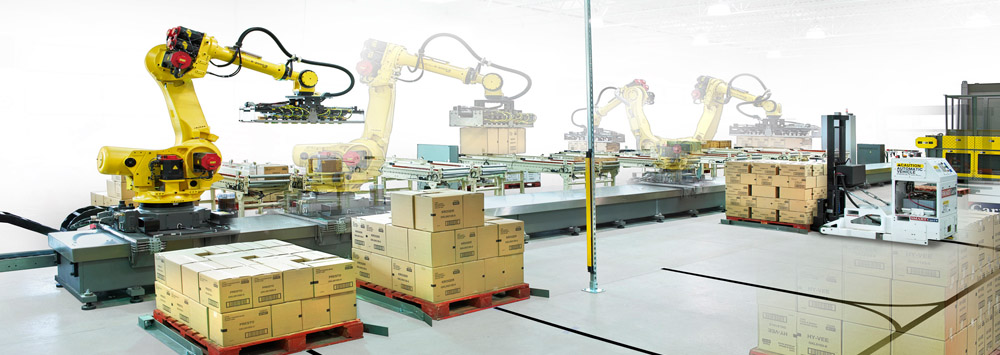
The use and development of industrial robotics and automation technology has accelerated in recent years, and that growth remains at full speed ahead. According to a recent ABI Research report, more than a half million mobile robots will be shipped to warehouses globally by 2030. That’s a Compounded Annual Growth Rate (CAGR) of nearly 40% in the next decade — and that’s just for distribution warehouses, not to mention manufacturing and processing facilities.

Many large food and beverage manufacturers have in-house engineering teams that provide automation and system integration services to their various facilities. However, most small- and medium-sized processors don’t have that capability, meaning they must often partner with an outside systems integrator (SI) to advance their automation strategy and bring new systems online.

With so many available options in the vast field of automation and robotics, selecting an SI can seem like a daunting endeavor — but it doesn’t have to be.

Continue Reading “Choosing a Systems Integrator (SI) to Advance Your Automation Strategy”