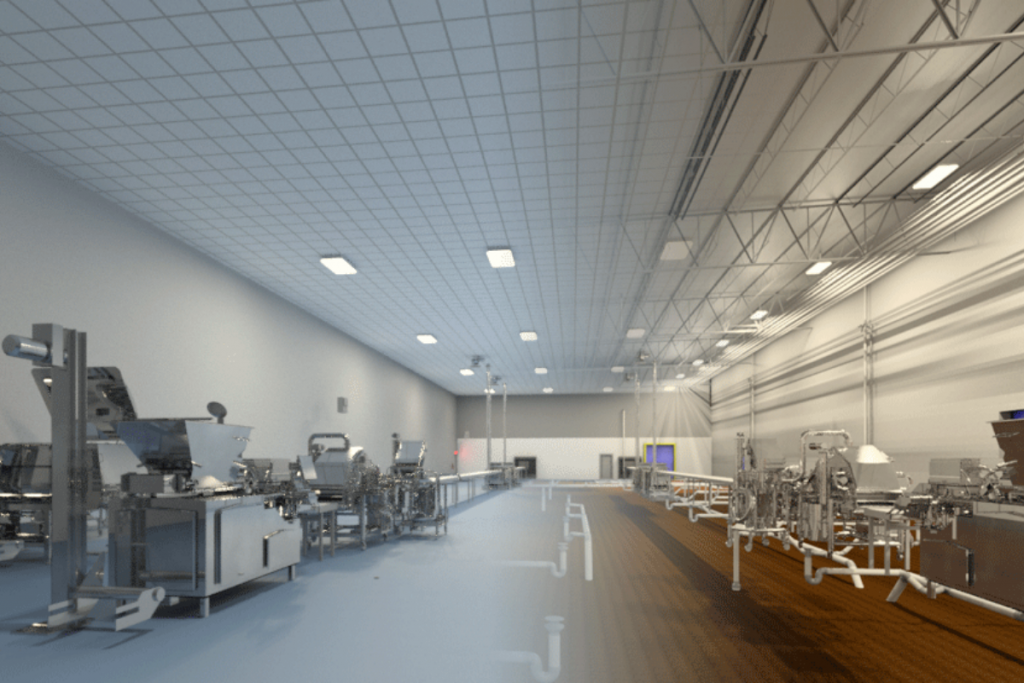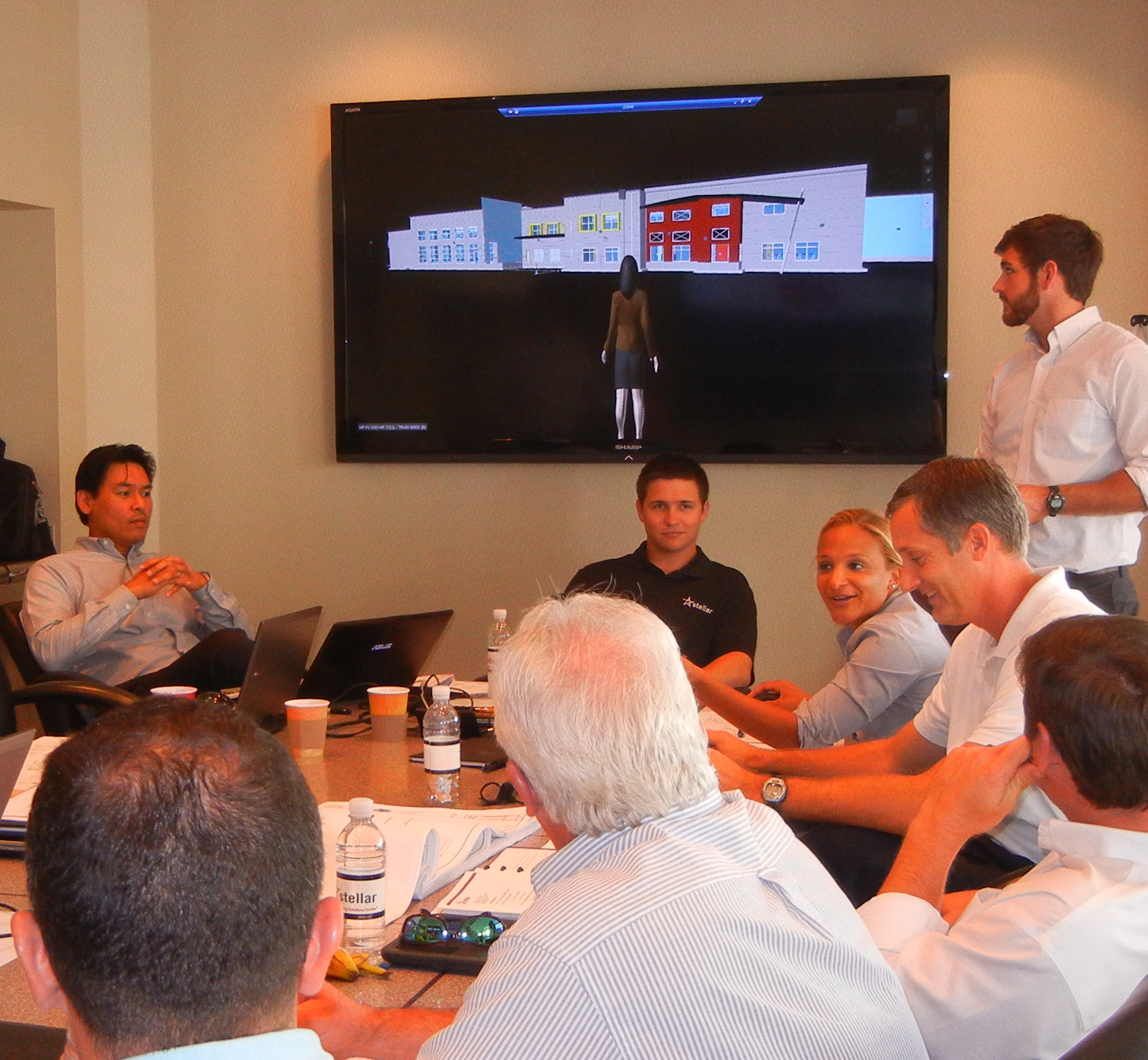


Four Ways BIM Allows Food Facilities to Make Better Decisions During Design Review

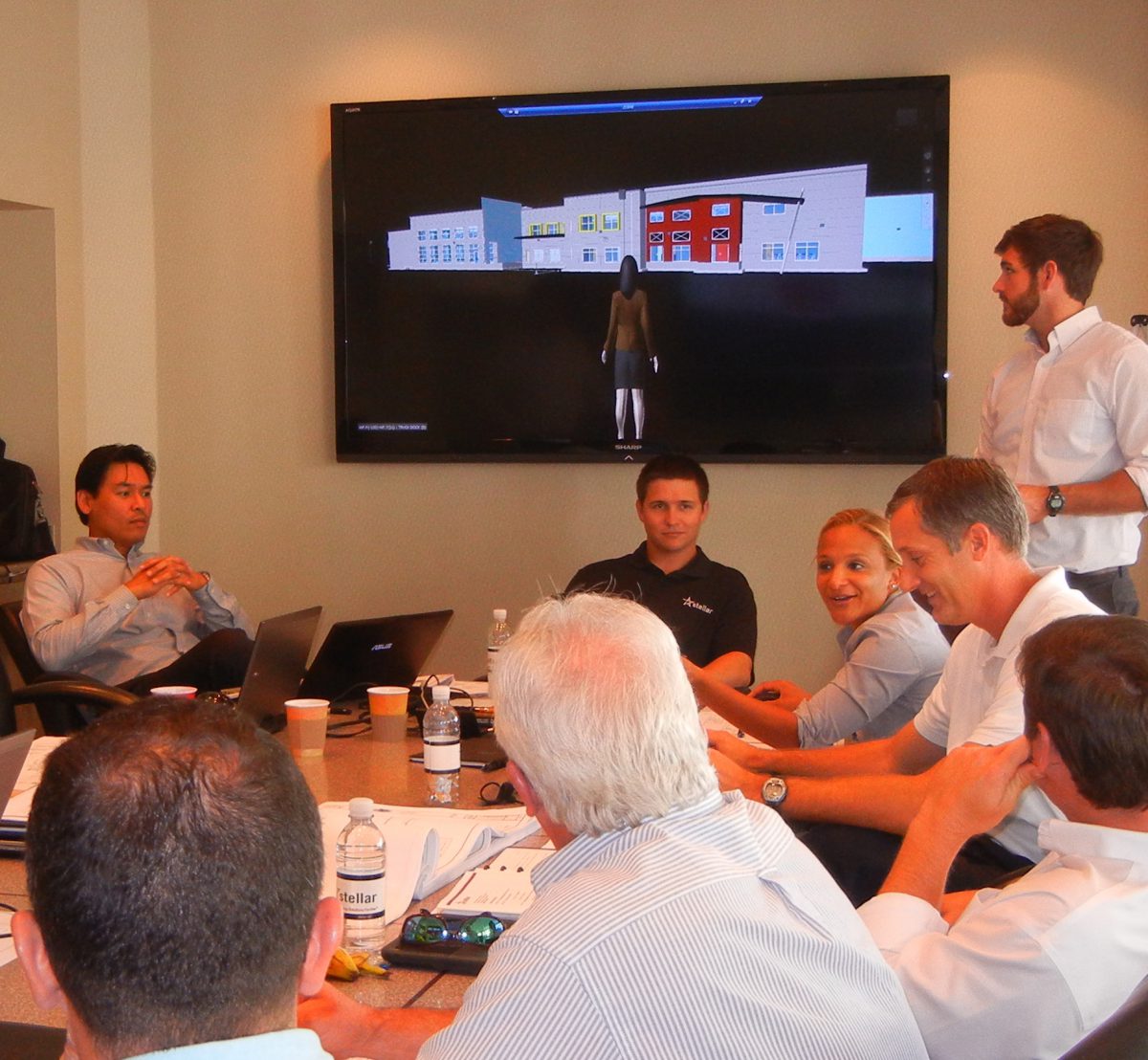
When performing a design review, BIM gives all of your food processing plant’s stakeholders — operations, maintenance, safety, and engineering teams — an opportunity to explore the facility in a three-dimensional mode. Viewing the design in this 3D model helps visualize the building space so owners can make more informed decisions in these areas:

Continue Reading “Four Ways BIM Allows Food Facilities to Make Better Decisions During Design Review”

3 Reasons You’ll Save Money by Working with an Integrated Design-Build Firm in 2018

A new year means a new start for some food and beverage companies: Some will be building new plants, others will be renovating existing ones. But no one wants to kick off the new year with a bloated budget. An integrated approach to designing and constructing your next big project can help your bottom line in 2018. Let’s look at how.

Continue Reading “3 Reasons You’ll Save Money by Working with an Integrated Design-Build Firm in 2018”

How to Prepare Your Ammonia Refrigeration System for a Hurricane

Hurricane season is here, and will be with us for a few months to come. That means processing facilities and distribution warehouses should pay extra attention to tropical forecasts, especially if their operations are located near the coast. On this blog, we’ve previously discussed best practices for preparing for a hurricane, including in the wake of the COVID-19 pandemic last year.

If your facility relies on ammonia refrigeration, however, preparing for a major storm is that much more important due to the potential for an ammonia release caused by weather damage. The most important thing is to establish a sound process safety management (PSM) program with standard operating procedures on how your facility prepares for a storm. You might be surprised at the number of plants that don’t have this outlined, especially smaller ones. Even if your system is under the 10,000-pound ammonia threshold, you should have a plan in place under the OSHA and EPA General Duty Clause. Ignoring these safety issues can be a lot more costly to address after the fact. It’s a good practice to prepare, prevent and execute a plan for emergencies. 

Continue Reading “How to Prepare Your Ammonia Refrigeration System for a Hurricane”

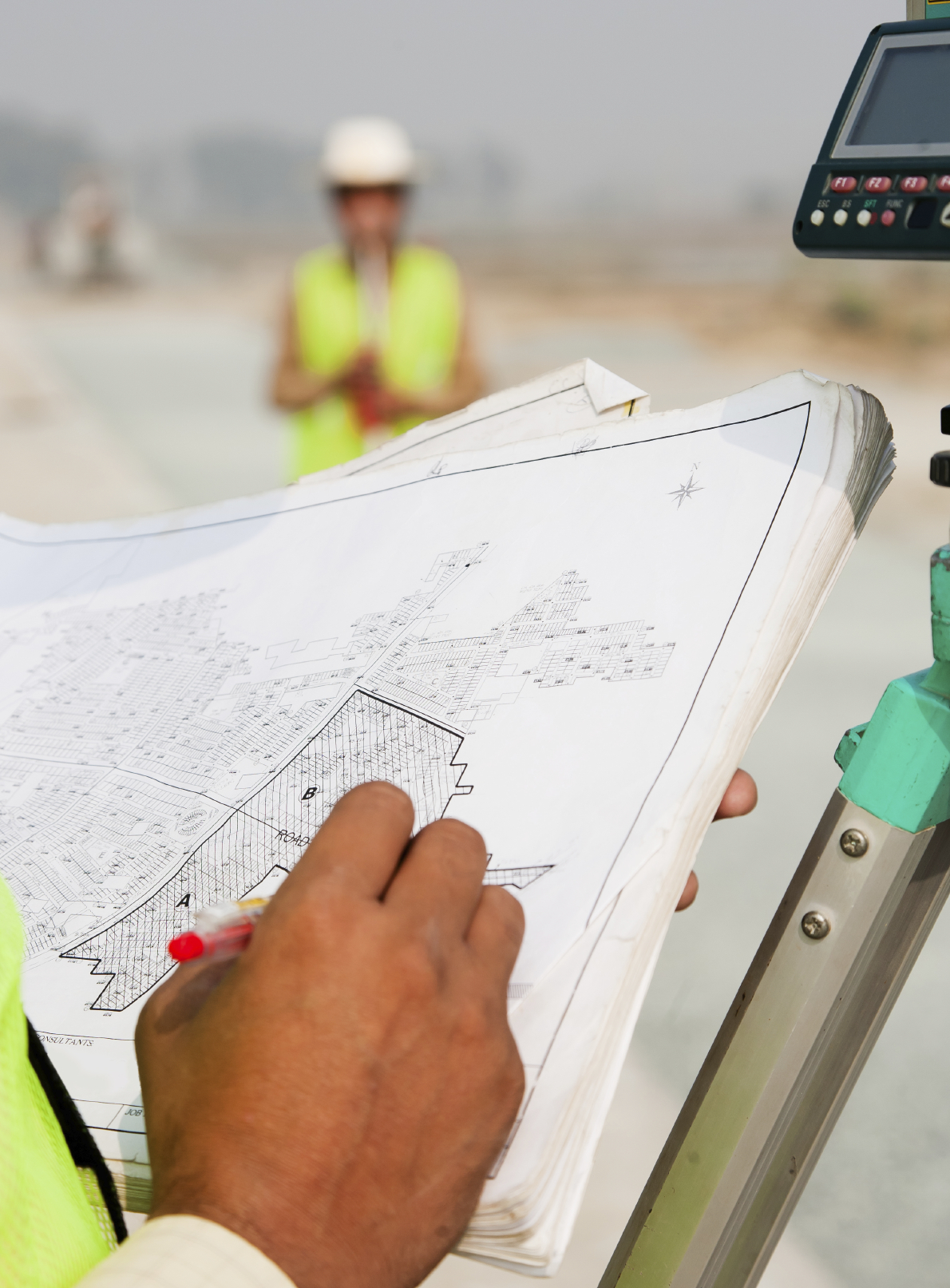
Why Your Expansion Plan Needs Supply Chain Modeling

As the food processing industry continues to flourish, many manufacturers are faced with the need to increase capacity. Whether it’s adding a new process line, building an additional plant or expanding an existing facility, conducting a supply chain analysis in partnership with your design team can lead to better decision-making and more efficient capital expenditures.

Continue Reading “Why Your Expansion Plan Needs Supply Chain Modeling”

The Benefits and Basics of Building Management Systems for Food Plants

We live in a world where we have unprecedented access to a wide variety of data — and food and beverage plants are no exception. Owners increasingly want to know what’s going on in their facilities from water and electricity consumption to other processing and mechanical data.

Building management systems can monitor and control various elements throughout a building, such as:

  • HVAC systems
  • Lighting
  • Plumbing
  • Processing equipment
  • Security systems

While these systems are utilized in various commercial buildings, they’re especially important in food manufacturing facilities, which use a significant amount of energy and water in their processing.

Continue Reading “The Benefits and Basics of Building Management Systems for Food Plants”

Keep Your Cool: How to Prep Your Refrigeration System for Peak Summer Performance

Summer is around the corner, which means now is the time to ensure your refrigeration system is ready for the upcoming hot months. Summertime is when these systems work their hardest, so how can you make sure yours is running efficiently and at peak performance levels?

Here’s a short checklist to prepare your refrigeration system for the summer:

Continue Reading “Keep Your Cool: How to Prep Your Refrigeration System for Peak Summer Performance”

Maximizing Drone Technology on Food Plant Construction Sites [VIDEO]

Maximizing Drone Technology on Food Plant Construction Sites from Stellar on Vimeo.

Unmanned aerial vehicles (UAVs), commonly known as drones, are revolutionizing the way buildings are designed and constructed. Stellar leverages this technology on our job sites to make projects more efficient, accurate and cost-effective.

Here are some of the ways we utilize drones:

Continue Reading “Maximizing Drone Technology on Food Plant Construction Sites [VIDEO]”

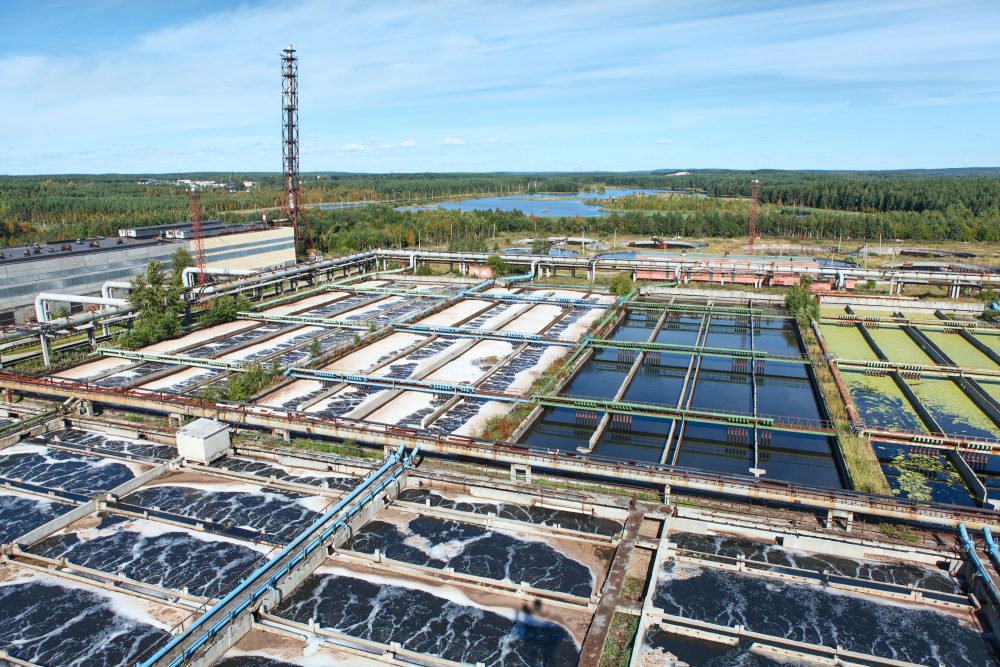
Convert Wastewater into Energy Savings with a Heat Exchanger

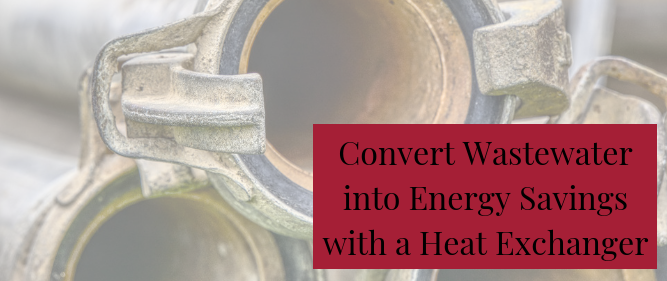
Facilities that produce canned goods use steam and water during the canning process. But some of them are flushing potential energy savings down the drain — literally. Whether your plant manufactures canned tuna, beans or vegetables, a heat exchanger could help cut energy costs with little upfront investment.

Continue Reading “Convert Wastewater into Energy Savings with a Heat Exchanger”

Think You Know BIM? Think Again: How Building Information Modeling Boosts Sustainability

A sustainable revolution is underway and industrial/commercial buildings in the U.S. are lagging behind. Almost a quarter of U.S. greenhouse gas emissions come directly from industrial sources, such as manufacturing, food processing, mining and construction, according to the Center for Climate and Energy Solutions (C2ES).

“If direct and indirect emissions are combined, the industrial sector is the largest emitting sector in the U.S. economy, responsible for 29.6% of total emissions,” according to data provided by C2ES.

While you may be familiar with Building Information Modeling (BIM), it’s often underestimated and pigeonholed as merely a design and construction tool. However, when implemented strategically, BIM is the key to turning industrial facilities into long-term sustainability powerhouses and providing transparency and a sense of order to what has historically been a nebulous process.

A building’s design, construction and operation produce data that comprise a complex puzzle — BIM helps solve it.

Continue Reading “Think You Know BIM? Think Again: How Building Information Modeling Boosts Sustainability”

Building the Arc: LEED v4.1 Emphasizes USGBC Data Platform

It seems like only yesterday that we were discussing the launch of LEED v4 and its emphasis on energy and water conservation (OK, that second post was just two months ago). That new iteration of the United States Green Building Council (USGBC) certification for sustainable construction was a significant leap forward from previous versions. The USGBC will now only accept LEED registrations under LEED v4.

Back in November, however, the USGBC announced it was fast-tracking the development of yet another update called LEED v4.1. At the Greenbuild Boston conference, it promised that the new standard will be “improved and agile” ensuring that the USGBC will “deliver on the vision of green buildings for all.”

Since LEED v4.1 is now in the pilot stage and available for jobs, I thought I’d take a look at the new certification standard and what it means for those in the food manufacturing sector. In particular, I want to focus on LEED v4.1’s emphasis on using the USGBC Arc platform and data analysis to drive improvements in sustainability.

Continue Reading “Building the Arc: LEED v4.1 Emphasizes USGBC Data Platform”