

FSMA Preventive Controls for Human Food Rule Now Final: What You Need to Know

Following several years of FDA outreach and industry input, the Food Safety Modernization Act’s Preventive Controls for Human Food rule is now officially final. The rule implements elements from the original proposal in 2013 as well as supplemental proposals since then. Several things have changed as a result. Continue Reading “FSMA Preventive Controls for Human Food Rule Now Final: What You Need to Know”

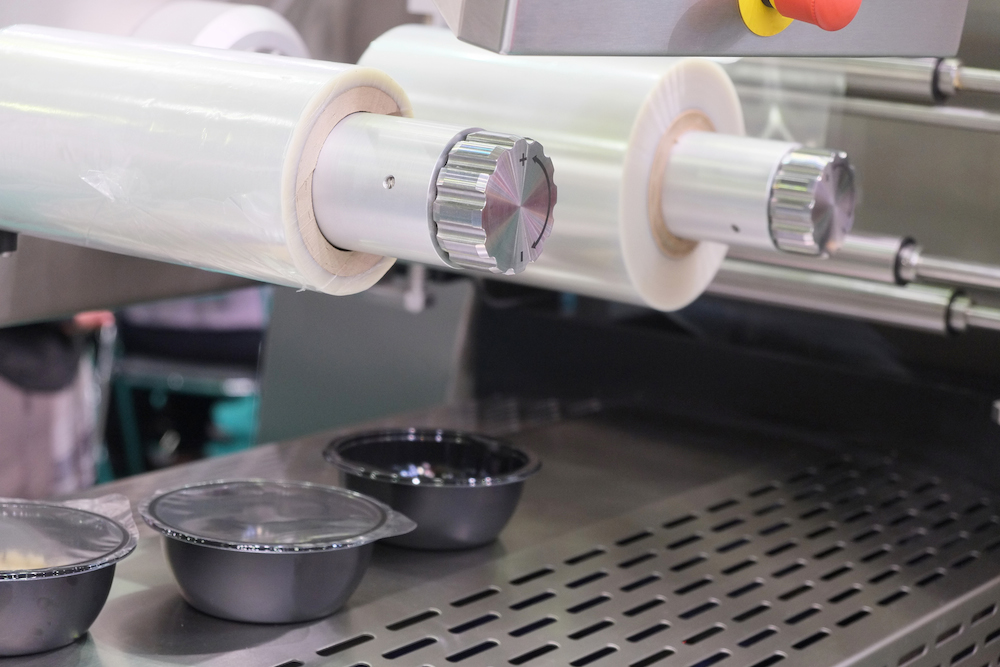
Automate These Three Processes to Increase Throughput

As product lines become more diverse due to increased demand in specialty ingredients in multiple sized packages with private labeling, manual processes become both costly and time consuming. Many food processing plant managers are recognizing the benefits of automating previously manual processes to increase production and reduce labor costs.

Continue Reading “Automate These Three Processes to Increase Throughput”

How a Behavior-based Approach Can Enhance Your Worker Safety Culture

Worker safety is a critical element in every food plant, regardless of the type of products manufactured. And while creating a safe, ergonomic work environment is a must, sometimes it’s not enough to ensure the safety of your most important asset—your employees.

In a recent Food Engineering article on ergonomic practices, I discussed how a behavior-based approach can enhance your plant’s worker safety. With behavior-based safety training, workers are incentivized to proactively look for potential hazards, creating a safety-oriented workforce.

Continue Reading “How a Behavior-based Approach Can Enhance Your Worker Safety Culture”

What You Need to Know About USDA’s New Poultry Safety Measures

The United States Department of Agriculture’s (USDA) Food Safety and Inspection Service (FSIS) recently announced the finalization of new measurements to reduce Salmonella and Campylobacter in poultry and ground turkey products. Let’s review what you need to know as a poultry or turkey processor. Continue Reading “What You Need to Know About USDA’s New Poultry Safety Measures”

6 Ways Vertical Commissioning Can Benefit Your Next Food Facility Project

Signing on a new construction or renovation project presents an exciting time for food manufacturing owners ready to embark on the next stage of their business plan. A commissioning partner who uses a vertical start-up model can help ensure a smooth project handover.

Traditionally, commissioning occurs as construction nears completion when engineers begin installing and testing equipment to guarantee production lines will run properly. However, my experience is that waiting until the end to conduct system integration, simulations and automation can prolong start-up and cost owners valuable time, money and resources.

Applying best practices for commissioning and coordinating with owner equipment manufacturers (OEMs) early on can ensure facilities achieve full performance much faster and at a fraction of the cost compared to traditional methodologies. 

Continue Reading “6 Ways Vertical Commissioning Can Benefit Your Next Food Facility Project”

Food Traceability: 5 Business Benefits When Switching from Manual to Digital Recordkeeping

In a recent post, I summarized the new traceability requirements recommended by the U.S. Food and Drug Administration (FDA). The proposed rule would require additional recordkeeping for those who manufacture, process, pack or store foods included on the FDA’s new Food Traceability List. 

The thought of new government regulations can often elicit groans from manufacturers, but rather than view this as another hoop to jump through, food and beverage companies should take a long view: It’s really an opportunity to improve product quality, boost efficiency and reduce manufacturing costs.

Continue Reading “Food Traceability: 5 Business Benefits When Switching from Manual to Digital Recordkeeping”

Refrigeration for the Future: Low-Charge Refrigerated Packaged Equipment

Due to its phaseout, an alphabet soup of replacement refrigerants has been developed to replace R-22 in existing chillers. However, most of these alternatives have drawbacks. Some replacements severely penalize the performance of the chiller, while others have significant glide—and all have higher global warming potential than ammonia. And though these refrigerants may not be on the Environmental Protection Agency’s (EPA) phaseout list yet, they have the potential to be. As new chillers rise to replace the old, ammonia is one refrigerant that has become an effective alternative. Continue Reading “Refrigeration for the Future: Low-Charge Refrigerated Packaged Equipment”

3 Must-have PSM Elements to Prevent Dust Explosions and Other Disasters

Process Safety Management (PSM) is the OSHA standard that mandates employers identify, evaluate and control potentially hazardous activities, chemicals and components used in their processes.

While PSM audits are performed every three years, you should periodically perform self-audits to protect your facility from punitive measures from OSHA and, more importantly, to protect your employees from potentially catastrophic events that could lead to loss of life or property.

However, this isn’t a guide on performing self-audits (you can read more on that here).

Instead, we’re going to walk through a few PSM elements that you should pay special attention to while performing self-audits.

Continue Reading “3 Must-have PSM Elements to Prevent Dust Explosions and Other Disasters”

What Food Processors Should Know About 2 New FSMA Final Rules

The FDA recently released new final Food Safety Modernization Act (FSMA) rules. These rules are the result of amendments made to the original proposals, based on comments and criticisms in public forums. Below are important details of two rules. You can find a full explanation of each new rule here.

Continue Reading “What Food Processors Should Know About 2 New FSMA Final Rules”

What Can IIoT Sensors Measure and Monitor in a Food Processing Facility?

The Industrial Internet of Things (IIoT) is revolutionizing how food manufacturing facilities operate, from processing to building maintenance and everything in between. Food and beverage companies have access to more data than ever before, and that’s helping them make more informed decisions.

Internet-connected sensors are the “eyes and ears” in a food plant, collecting all the data that makes those insights possible. These devices can measure a variety of inputs from electrical currents to vibrations to air temperature.

Stellar installs sensors in many of the modern facilities we design and construct today, but many owners have the same question: What exactly can I measure?

Let’s look at a few ways sensors can be used in your food plant:

Continue Reading “What Can IIoT Sensors Measure and Monitor in a Food Processing Facility?”