

Food Processing Plant Design: Designing the Most Efficient Waste-piping System


Round floor drains are becoming more common.


There are numerous factors to consider when designing a wastewater piping system for a food manufacturing plant. Where will drains be located? What types of piping materials will be used? Can the system be designed to accommodate future physical growth of the facility? Yet the most important factor of a waste-piping system is efficiency – efficiency in location, layout, materials and installation. Here’s what you need to know:

Continue Reading “Food Processing Plant Design: Designing the Most Efficient Waste-piping System”

5 Focus Areas for Assessing Food Safety Risks

We all know the importance of food safety. One oversight can put public health and your bottom line at risk. That’s why meeting food safety standards isn’t enough — merely complying is the lowest bar.

We discuss food safety often, but when was the last time you examined your facility’s risks from a high-level view? Let’s examine five major areas to focus on when assessing your plant’s food safety risks.

Continue Reading “5 Focus Areas for Assessing Food Safety Risks”

[PHOTOS] An Inside Look at the First Organic Humane, Animal Welfare-Focused Chick Hatchery in the U.S.

This summer, Stellar completed one of its more unique design-build projects: a state-of-the-art, organic-certified and highly publicized chick hatchery for poultry processor Bell & Evans. The 120,000-square-foot facility in Fredericksburg, Pennsylvania began operations in September and is the first of its kind in the United States.

As the project developer, I worked with the Bell & Evans team to help develop this unique, industry-shaping facility.

Continue Reading “[PHOTOS] An Inside Look at the First Organic Humane, Animal Welfare-Focused Chick Hatchery in the U.S.”

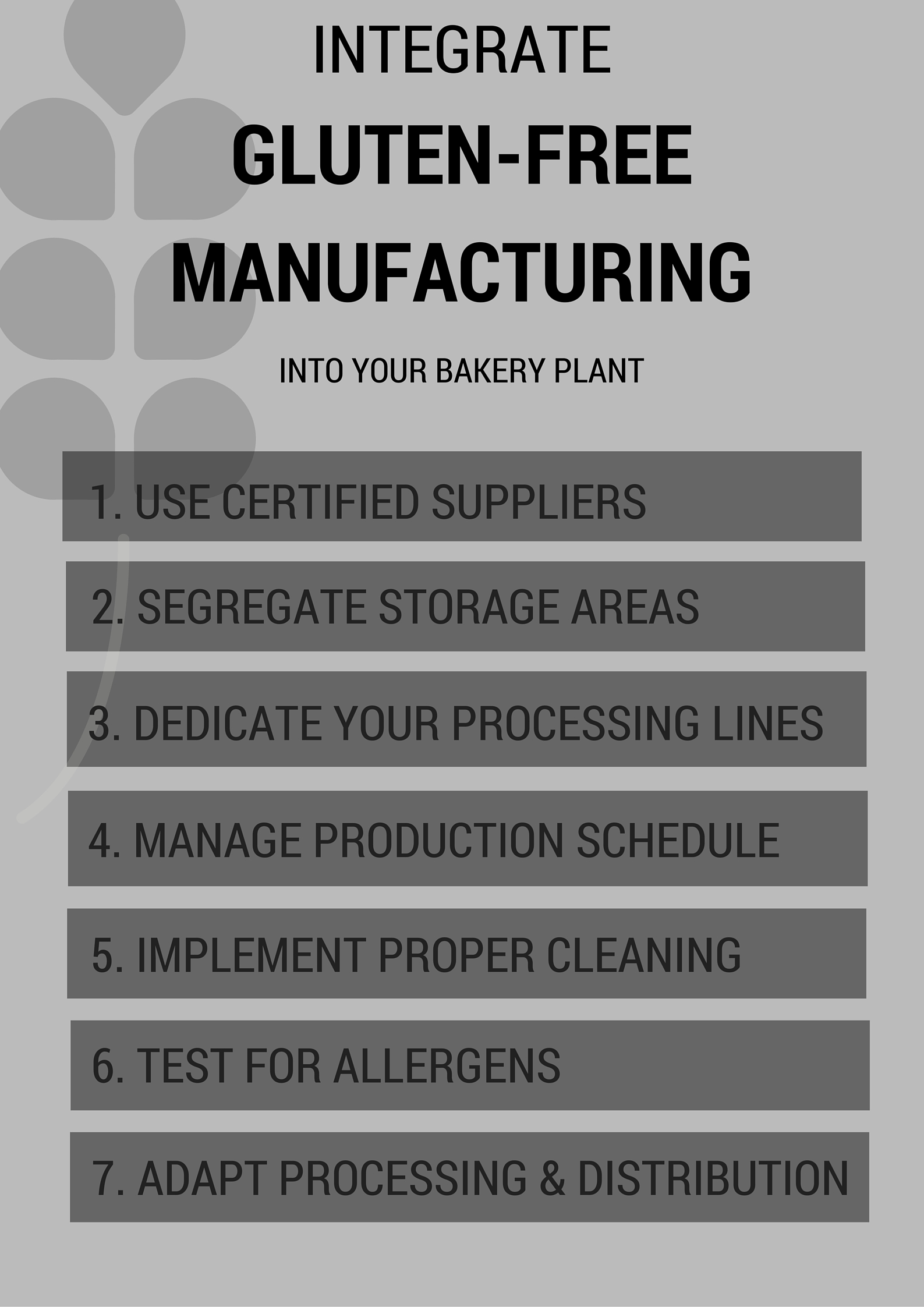
7 Ways to Integrate Gluten-free Manufacturing Into Your Bakery Plant

Stellar recently exhibited at the American Society of Baking’s (ASB) annual BakingTech conference in Chicago. “Gluten-free” continues to be a topic on the rise among the attendees. This isn’t surprising, as more and more companies are incorporating gluten-free products into their offering arsenals. However, a common challenge for food manufacturers going gluten-free is preventing cross-contamination, whether it’s modifying existing plants or embarking on greenfield projects. Gluten-free products also require specific distribution and processing considerations that may differ from what manufacturers are used to, from mixing methods to storage. So, how do you safely integrate gluten-free manufacturing into your bakery plant?

Continue Reading “7 Ways to Integrate Gluten-free Manufacturing Into Your Bakery Plant”

The Importance of Detailed Standard Operating Procedures

The Occupational Safety and Health Administration (OSHA) requires that PSM Standard Operating Procedures (SOPs) provide instructions clear enough that employees will be able to effectively utilize them. SOPs must be documented in sufficient detail and provide specific direction so that employees can follow the procedures and determine how to safely perform service and maintenance activities.

Continue Reading “The Importance of Detailed Standard Operating Procedures”

Food Plant Design-Build: Overcome Potential On-Site Construction Challenges with 2 Simple Solutions

No matter how well-planned a food plant project is, it can still present challenges. After decades of experience in the food and beverage industry, we’ve found you can best overcome these hurdles with two simple solutions: frequent communication and flexibility. Stellar recently put these practices into play in the design-build of a meat manufacturing plant for an international company. Here, we review how these solutions led to success in the project and how they can help in your own endeavors, too.

Continue Reading “Food Plant Design-Build: Overcome Potential On-Site Construction Challenges with 2 Simple Solutions”

What’s Involved in a Safe Quality Food (SQF) Certification?


Consumers’ increasing scrutiny of the food industry continues to crank up the hot seat for processors and manufacturers. Consumers not only want to ensure the food they’re putting into their bodies is safe, they want proof. This has led to a slew of third-party food safety certifications. The globally recognized Safe Quality Food (SQF) certification is one specific program gaining traction among food companies thanks to its comprehensiveness and consistency. Approved by the Global Food Safety Initiative (GFSI), the SQF program follows a “one world; one standard” vision, reducing the need for multiple food safety audits. So, what’s involved in a SQF certification? Let’s take a look at the basics of obtaining an SQF certification, from the fees to the steps involved.

Continue Reading “What’s Involved in a Safe Quality Food (SQF) Certification?”

Improving Product Flow in Your Food Manufacturing Facility

Improper product flow can be detrimental to your food plant’s operations in more ways than one. These inefficiencies can cost money, waste time, jeopardize food quality and introduce safety hazards on the production floor.

In this post, we’ll explore the ways your facility may be at risk and what you can do to improve product flow.

Continue Reading “Improving Product Flow in Your Food Manufacturing Facility”

Struggling to Staff the Third Shift? Combat Labor Shortages with These Automation Solutions

As labor market woes continue, adopting some degree of automation is no longer optional for companies looking to remain agile and equipped to meet future consumer demands.

Even industries that historically haven’t struggled with labor shortages are now finding it challenging to hire staff. With a peak record of 11.3 million jobs open in January 2022 and not enough workers available, more manufacturers are turning to robotics to fill the gaps.

In fact, U.S. factories ordered a record 29,000 robots during the first nine months of 2021, a 37% increase from 2020, according to data from the Association for Advancing Automation (A3).

The good news? Automated systems are getting cheaper to implement and improving technology is making systems more reliable. At Stellar, we’re constantly monitoring developments and best practices for leveraging robotics in our clients’ facilities to help them improve efficiency and productivity — not to mention combating that growing labor gap.

Let’s review some modern automation tools and the many ways robotics can be implemented into the food manufacturing process.

Continue Reading “Struggling to Staff the Third Shift? Combat Labor Shortages with These Automation Solutions”