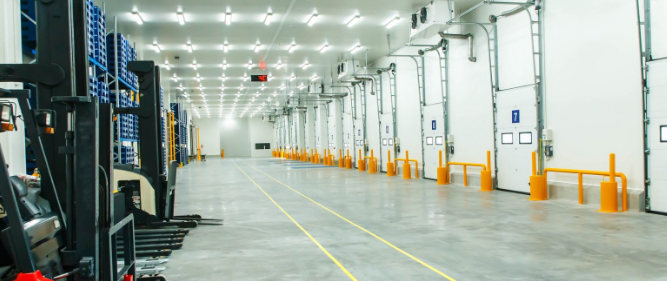


Retrofitting an Existing Space for Cold Storage? Keep These Factors in Mind.

Cold storage is already a multibillion-dollar market, but it’s expected to continue growing in the years ahead. This surge is fueled by a number of factors, including:

  • Increased demand for fresh food
  • Growth in supermarket sales
  • A rise in online grocery shopping
  • The need for pharmaceutical drug and vaccine storage

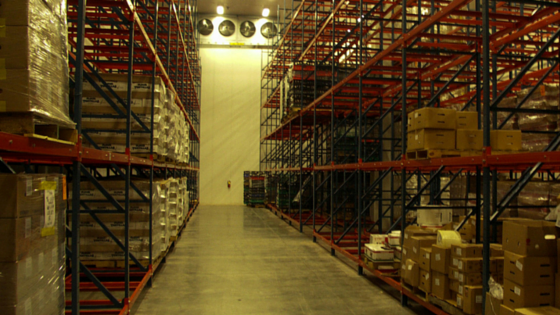
As cold storage construction booms, some are converting existing buildings into refrigerated facilities. However, cold storage warehouses require unique specifications for the structure’s thermal envelope that are much more complex than a typical dry warehouse.

It’s crucial to understand these unique differences and the level of specialized detail involved, especially when it comes to a retrofit. Otherwise, you may face costly problems with your facility’s performance and thermal envelope in the future.

Continue Reading “Retrofitting an Existing Space for Cold Storage? Keep These Factors in Mind.”

How to Conserve Energy Across Every Aspect of Your Food Plant


Everyone wants to improve their energy management, and while there are countless best practices to improve energy efficiency in your processing, I look at it from an engineering perspective.

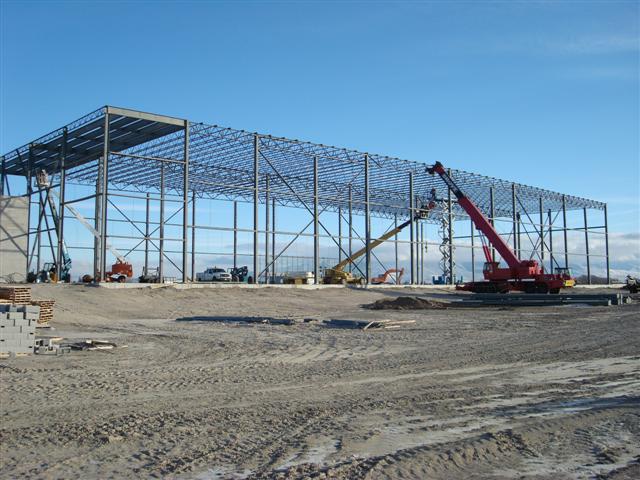
When designing a new facility or renovating an existing one, I consider the different ways the plant can prioritize energy management within each engineering group that brings the building to life. Let’s explore how you can design energy management into your next greenfield or renovation project.

Continue Reading “How to Conserve Energy Across Every Aspect of Your Food Plant”

Process Freezing 101: 4 Variables Food Processors Must Understand

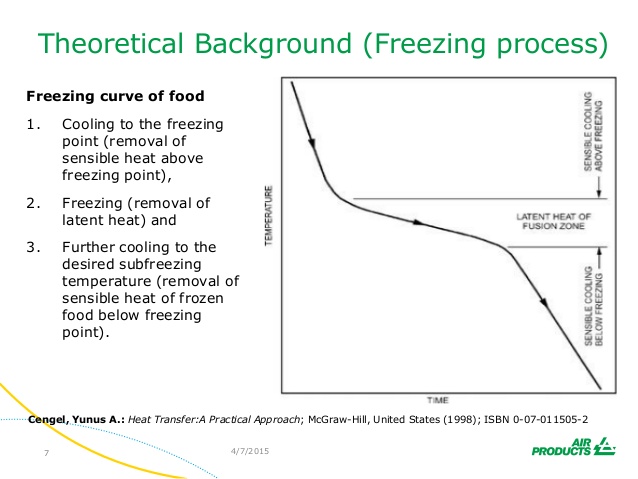
Food plant owners who work with frozen products must have a thorough understanding of the freezing process and what it does to food. Freezing, done well, preserves nutrients and provides a good-as-fresh product for the customer. Done badly — well, we’ve all pulled a forgotten, frost-encrusted steak out of the bottom of the freezer before. It’s not very appetizing. This two-part blog series will take a look at best practices for freezing and the applications of various types of freezers.

Continue Reading “Process Freezing 101: 4 Variables Food Processors Must Understand”

6 Ways You’ll Achieve Greater Speed to Market on Your Next Design-Build Food Project by Working With a Fully Integrated Firm

We all know the design-build methodology, by nature, is faster than the traditional design-bid-build approach. But if speed to market is your goal (hint: if you’re in the food and beverage industry, it probably is), then you can’t beat the agility that a fully integrated firm offers.

We’ve previously explored how a fully integrated design-build firm — one that offers process design, building and infrastructure design, and construction services with all in-house resources — can save you money and increase your plant’s food safety. In this post, I’m going to discuss the numerous ways an integrated approach can streamline your next project and get you from concept to commissioning faster than any other method.

Continue Reading “6 Ways You’ll Achieve Greater Speed to Market on Your Next Design-Build Food Project by Working With a Fully Integrated Firm”

What Refrigerated Warehouses Need to Know About Ammonia Utilization in California

Source: CalARP Resource Compliance

California has long been an epicenter of food manufacturing in the United States. With more refrigerated warehouses looking to become sustainable in the 2020s, California is primed to be a major market where cold storage facilities transition to natural refrigerants.  

However, “The Golden State” has unique regulations that refrigerated warehouses must follow when updating their systems. Most critically, there are strict regulations on ammonia, which traditionally has been the preferred refrigerant because of its efficiency, low cost and safety when the system is properly designed.  

Continue Reading “What Refrigerated Warehouses Need to Know About Ammonia Utilization in California”

Can Compressed Air Systems be a Source of Contamination?

Did you know that compressed air systems can be a source of contamination in your food plant? Dangerous bacteria and pathogens can be difficult to spot in your facility—especially if they are airborne. It’s a common misperception that compressed air is considered as clean as the air from the outdoor environment that surrounds your facility—NOT true. Once in the compressor, the air outside of your facility (ambient air) mixes with other elements within your compressor (i.e., corrosion, worn seals). Whatever is not caught in your filtration system is then circulated throughout your plant.

Continue Reading “Can Compressed Air Systems be a Source of Contamination?”

6 Points, One Stone: How Low-Impact Development (LID) Can Help Achieve LEED Certification

If you’re not familiar with low-impact development (LID), you may want to keep reading before building your next facility or warehouse. Thanks to recent changes in LEED requirements, we’re going to see an increase in projects utilizing LID in the near future.

What exactly is low-impact development? How can you make the most of LID and maximize it when applying for LEED certification? Let’s unpack what it means for your next project.

Continue Reading “6 Points, One Stone: How Low-Impact Development (LID) Can Help Achieve LEED Certification”

Preventing a Recall: How to Manage 3 Threats Facing Food and Beverage Plants

Ask any food manufacturer or processor if they are committed to high safety and quality standards and their answer will, of course, be yes. But even with the strictest standards, thousands of recalls are still issued each year in the U.S. In 2015, the FDA recalled 9,178 products, a 12-percent increase over the previous two years. If you weighed the amount of goods the USDA recalled last year alone, it would be as heavy as 52 Boeing 747 airliners. That’s a lot of product gone to waste.

Continue Reading “Preventing a Recall: How to Manage 3 Threats Facing Food and Beverage Plants”

How Drones are Impacting the Design and Construction Industry: Today and Tomorrow

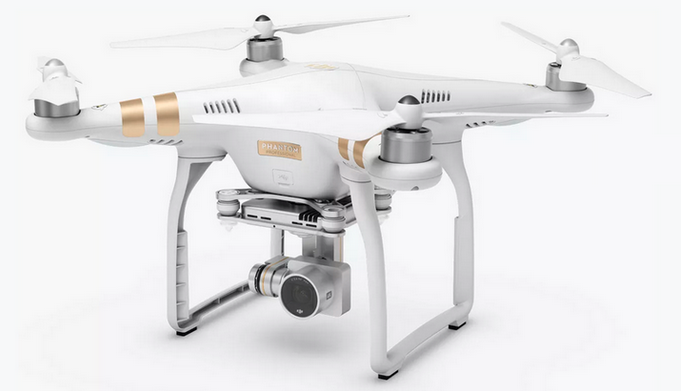
Photo courtesy of DJI

Recently, 7-Eleven made headlines by using a drone to deliver “a chicken sandwich, donuts, hot coffee and candy.” This happened the same week Amazon “partnered with the British government to significantly expand drone testing.” Approximately 3,000 companies in the U.S. are currently authorized to use drones—a number that continues to grow. Stellar recently purchased our first drone, and we are using its aerial imaging capabilities during construction of a new food manufacturing facility.

Continue Reading “How Drones are Impacting the Design and Construction Industry: Today and Tomorrow”