

How Production Loads in Your Food Processing Plant Affect Refrigeration Efficiency and Stability

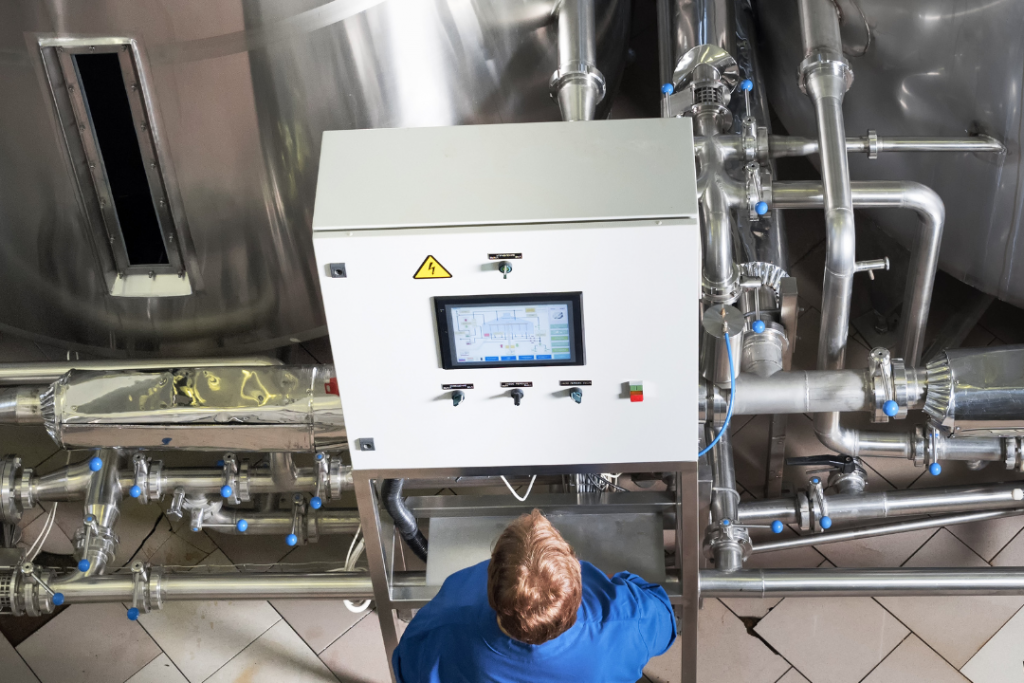
When cooling loads change gradually, your refrigeration equipment and controls undergo gradual changes and your system remains stable and efficient. However, if rapid load fluctuations occur as a result of production or sanitation activities, many systems experience pressure or temperature fluctuations, which can cause sanitation and quality issues as well as increased energy usage. There are several strategies food manufacturers can employ to deal with these challenges. Continue Reading “How Production Loads in Your Food Processing Plant Affect Refrigeration Efficiency and Stability”

[VIDEO] The Value of Working with a Fully Integrated Firm for Your Next Food or Beverage Project

What is a fully integrated firm?

A fully integrated firm is one that offers process design, building and infrastructure design, and construction services all with in-house resources. Compare this with traditional methods that involve contracting a variety of vendors to handle these different elements of your project. Partnering with an integrated firm can benefit your next food or beverage project in a variety of ways. Continue Reading “[VIDEO] The Value of Working with a Fully Integrated Firm for Your Next Food or Beverage Project”

Preventing a Botulism Recall Before it Happens

Most of us were taught during childhood not to eat canned food from dented or bulging cans to avoid botulism poisoning. But according to the Centers for Disease Control (CDC), only 7% of botulism outbreaks between 1950 and 1996 were traced to commercially processed foods. The prospect of cans causing botulism poisoning carries such notoriety due to a widely publicized botulism outbreak in 1919 linked to a shipment of canned black olives that killed 18 people in a handful of states. This instilled widespread fear of botulism coming from canned goods into the psyche of American consumers — a fear that has been passed on from generation to generation.

In the aftermath of the outbreak, a consortium of canned food producers, scientific experts and government officials came together to develop strict regulations and establish state inspection services for canned foods processing. Not only did these regulations form the basis of what we now know as the nation’s food safety system, they restored the public’s confidence in canned foods and in the national food industry.

Continue Reading “Preventing a Botulism Recall Before it Happens”

Food Processing Plants Cut the Cord With Wireless Automation

Many food processors are turning to wireless automation to improve the efficiency and interoperability of the plant’s control systems. This method of automation architecture offers significant cost savings in engineering and installation, while providing more flexible access to data for monitoring and analysis.

Continue Reading “Food Processing Plants Cut the Cord With Wireless Automation”

Your Checklist for Updating Your Facility’s Risk Management Program

Facilities, including food and beverage manufacturers, that use certain flammable and toxic substances in amounts that exceed threshold quantities must have a documented Risk Management Plan (RMP) per Environmental Protection Agency (EPA) requirements. Companies must update and resubmit their RMP at least every five years.

The EPA requires each facility to review all sections of their RMP, update where appropriate, and certify that the entire RMP is accurate and complete.

According to the EPA’s checklist, here are the key elements that should be reviewed for resubmission:

Continue Reading “Your Checklist for Updating Your Facility’s Risk Management Program”

Three Reasons to Consider a Behavior-based Approach to Worker Safety

In last week’s post, I introduced you to the behavior-based approach to worker safety. While ergonomic design and regulatory compliance remain critical to worker safety, behavior-based safety strategies incentivize employees to take ownership of their own safety. Employees proactively identify potential hazards, helping prevent them from ever happening in the first place.

Below, I outline in more detail three reasons you should integrate a behavior-based approach into your food plant’s worker safety practices.

Continue Reading “Three Reasons to Consider a Behavior-based Approach to Worker Safety”

X-ray and Metal Detection Technology: Get the Most from Your System

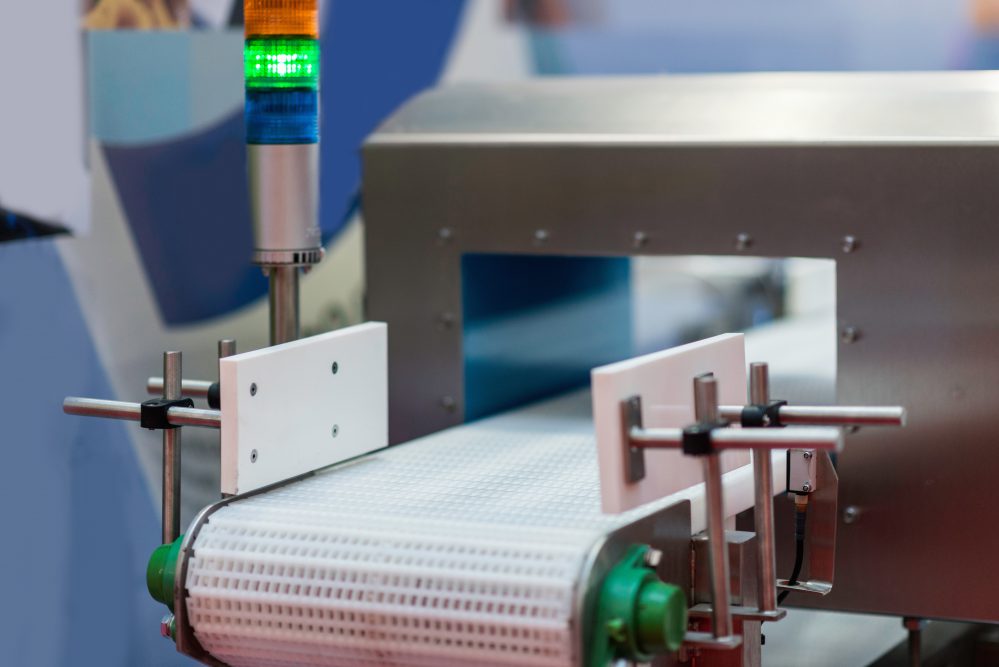
Major food recalls are a reminder of how critical detection technology is for a food facility — and lately, it seems we’re being reminded far too often. There are a lot of variables when it comes to x-ray and metal detection systems: What should you buy? How much protection is enough? How do you maximize performance? Let’s start by understanding the difference between x-ray and metal detection technology.

Continue Reading “X-ray and Metal Detection Technology: Get the Most from Your System”

Packaging Trends: Key Findings from The Association for Packaging and Processing Technologies Research

Today, our team is settling back into the office after exhibiting at PACK EXPO in Las Vegas. While packaging is fresh on our minds, let’s examine some fascinating packaging research released by  The Association for Packaging and Processing Technologies (PMMI) earlier this week. Continue Reading “Packaging Trends: Key Findings from The Association for Packaging and Processing Technologies Research”

How to Choose the Best Process Valve Solution for Your Food and Beverage Facility

Designing the processing system for a food and beverage facility is a lot like doing a jigsaw puzzle. You can probably force many of the pieces to fit into various spaces. However, if you do not find the perfect fit, you’ll ultimately wind up with holes and weaknesses in your finished puzzle — or in this case, elevated food safety and quality risks that may cost your business valuable time and money.

To make an educated decision about valve selection, owners and their construction partners should consider the different types of valves available in the market and how they will interact with other components in the individual facility’s production lines.

Continue Reading “How to Choose the Best Process Valve Solution for Your Food and Beverage Facility”

How to Write Better Electrical Specifications for Food Manufacturing Equipment

There are certain performance expectations your food processing equipment should meet to maximize your return on investment (ROI). Failing to establish and standardize equipment specifications (specs) during the procurement process can directly impact your plant’s safety, sanitation, efficiency and profitability.

You may be thinking, “But Michael, I already have a specs list written out, and it’s worked perfectly for us so far.” And that may be true! However, in my experience, many small- and mid-sized companies have room to improve in this area. 

Continue Reading “How to Write Better Electrical Specifications for Food Manufacturing Equipment”