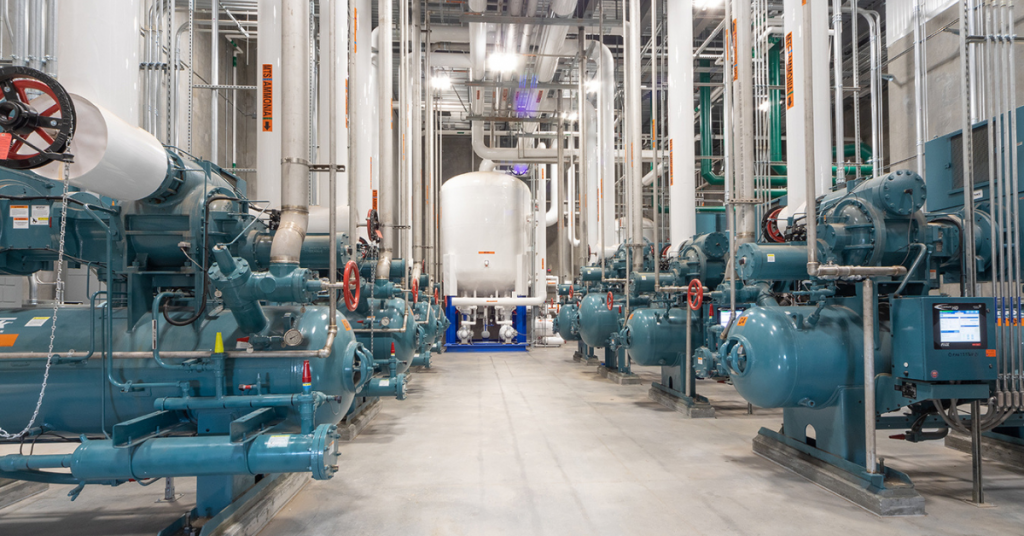
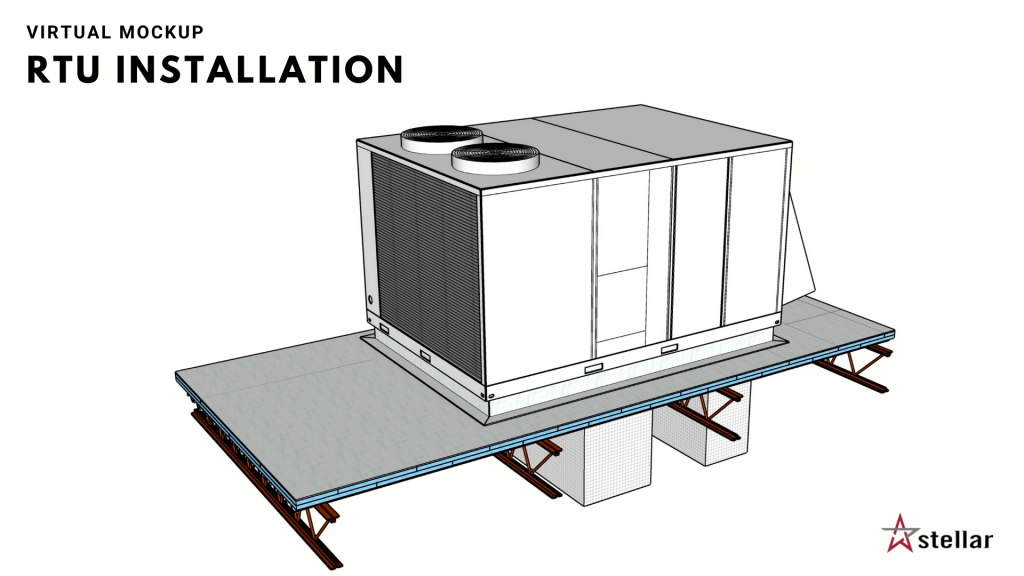
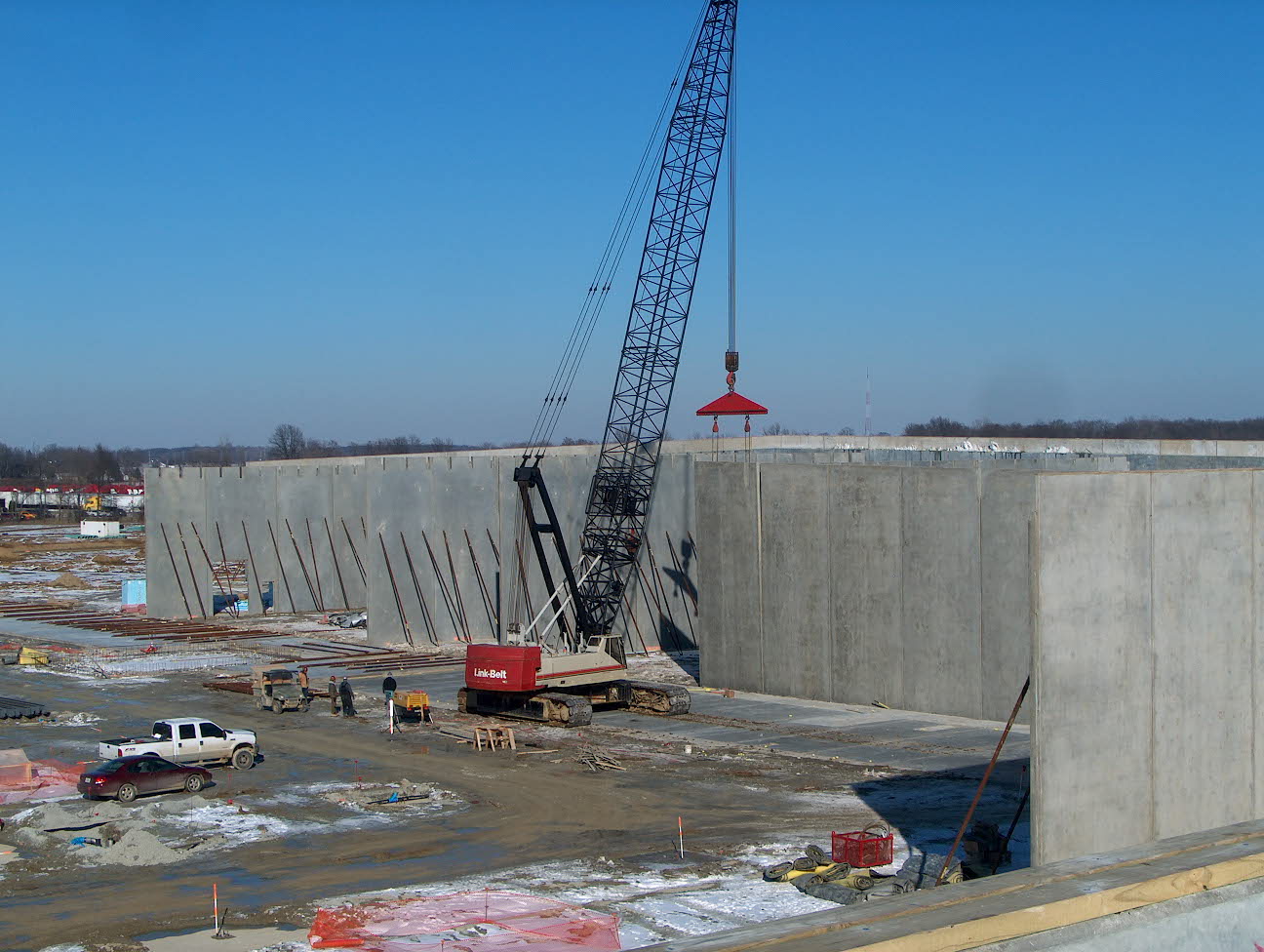
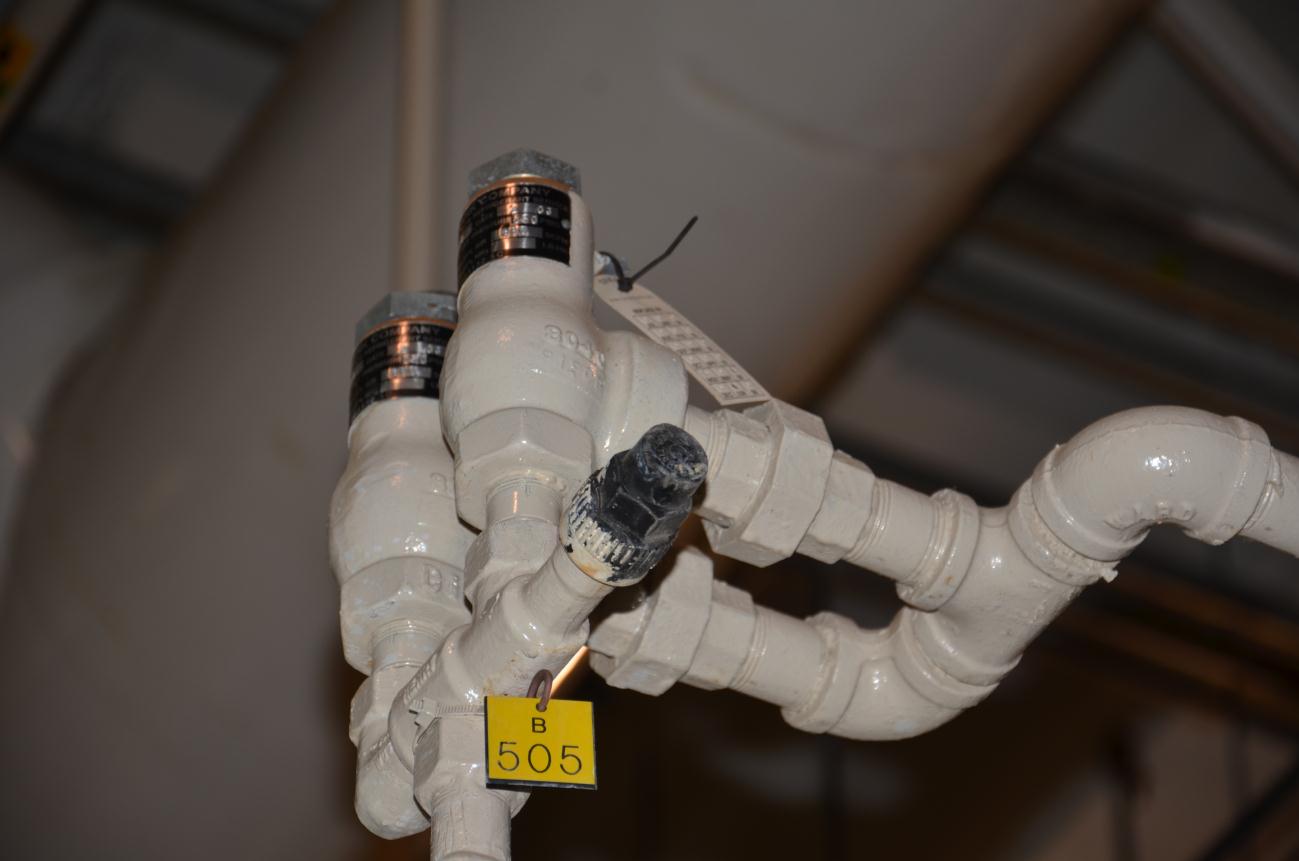
Whether companies are maintaining outdated systems or upgrading to newer ones, they need to be aware of the safety issues and requirements related to the systems’ relief components.
Last week on the blog, we examined the brand new, state-of-the-art hatchery Stellar completed for poultry processor Bell & Evans. The facility — which is the first certified organic, humane, animal-welfare focused chick hatchery in the United States — is an example of trailblazing a new approach to traditional food processing.
Not only does it employ fascinating and cutting-edge technology, but this project contains lessons for any food manufacturer looking to pioneer or experiment in their own particular market.
Earlier this year, the U.S. Food and Drug Administration (FDA) and the Centers for Disease Control and Prevention (CDC) linked contaminated salad kits to a multistate outbreak of Cyclospora that infected more than 700 people. In 2019, the culprit was contaminated fresh basil, triggering a recall by the exporting company.
But how do outbreaks like this happen? Knowing how to prevent Cyclospora from entering your food plant is critical for maintaining the safety of your products and the trust of your customers, especially during a time of heightened awareness surrounding sanitation and public health.
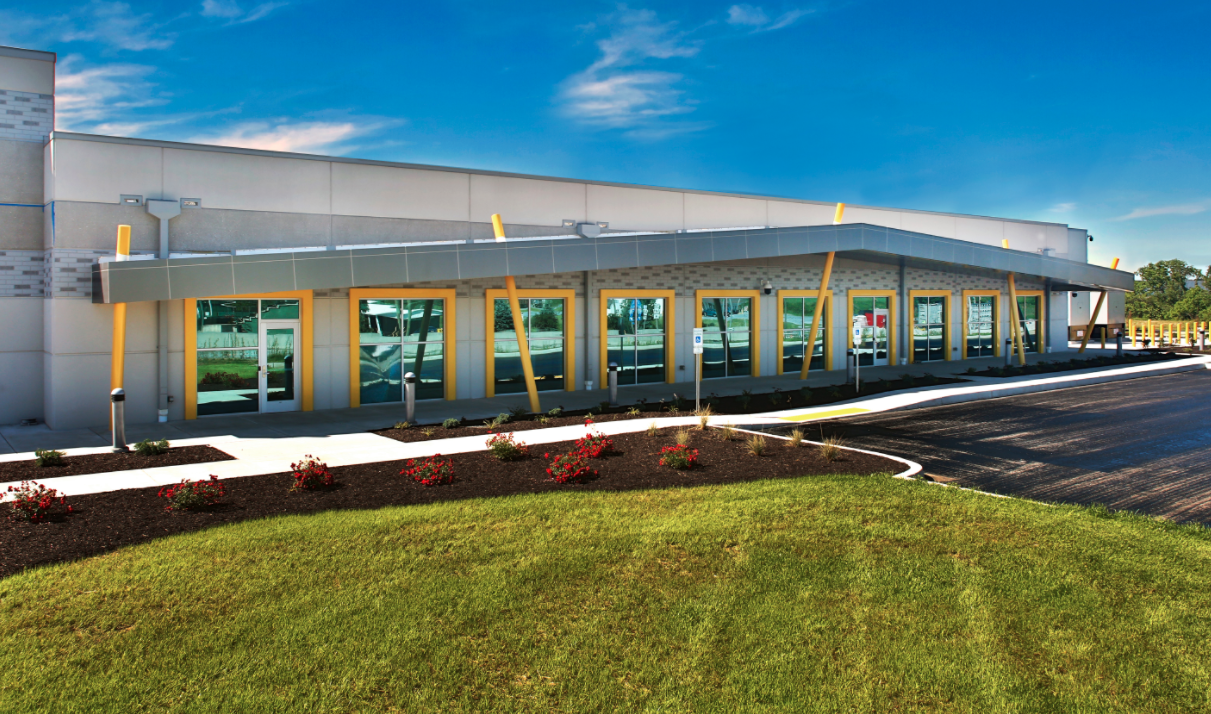
Did you tune in to our Food Engineering webinar today? We discussed why strategic plans are important to your facility’s growth, and what information makes them effective.
Do you give enough care and consideration to your food processing facility’s electrical equipment? As a senior electrical engineer for Stellar, I joined several of my peers in a discussion in this month’s Food Engineering article, “Electrical systems and components: The lifeblood of your facility,” on electrical safety, systems maintenance and more. In the article, I reviewed factors that impact your plant’s electrical well-being. Below I describe them in greater detail for Food for Thought’s readers: Continue Reading “3 Ways to Prevent Food Plant Electrical System Malfunctions”
Temperature control is vital in the food and beverage industry, where slight fluctuations can threaten product integrity and put consumer health at risk.
Unfortunately, the repetitive nature of maintenance work can elevate the risk of complacency. This is extremely dangerous in the context of industrial refrigeration because even a single oversight can quickly become life-threatening.
Have you noticed your technician or contractor mindlessly checking boxes on inspection forms, failing to report daily or weekly anomalies in equipment run data, or generally failing to give your system their undivided professional attention? If so, I have bad news: you may be dealing with a pencil whipper, and you’ll want to address the issue sooner rather than later.
The COVID-19 pandemic forced many companies to improvise as the sudden shift to remote working disrupted “business as usual” for a lot of employees. At Stellar, we had emergency plans in place to allow for an easy shift to remote work — and it was so successful that the company adopted a full-time work-from-home model for the majority of its workforce.
With restrictions easing and vaccines more readily available, we’re slowly returning to some sense of normalcy. And while there are plenty of things we won’t miss about pandemic life, there are tools and strategies that flourished over the past year that yielded more efficient, predictable and accurate project results for our clients. Let’s look at a few that are here to stay:
Preliminary discussions with your food processing plant architects should include a thorough discussion of your sales and marketing goals. Your plant’s specific products, product mixes (including future products), and production volume all impact decisions made during the design process.
The COVID-19 pandemic brought a number of immediate and temporary changes to daily life: reduced occupancy limits, partitions, social distancing, one-way stairwells and more.
While these short-term adaptations were necessary to mitigate the spread of the virus, will the pandemic change the way facilities are built in the long term? The likely answer is, not dramatically.
However, it is shaping the way we think about designing these spaces. Let’s look at some examples of trends we may see in the post-COVID era.





![[SlideShare] 5 Crucial Components Your Food Business’ Strategic Plan Must Include](https://stellarfoodforthought.net/wp-content/uploads/2016/06/Screen-Shot-2016-06-22-at-1.35.20-PM.png)