

Food Processing Mechanical Systems : 4 Critical Areas To Address Early On

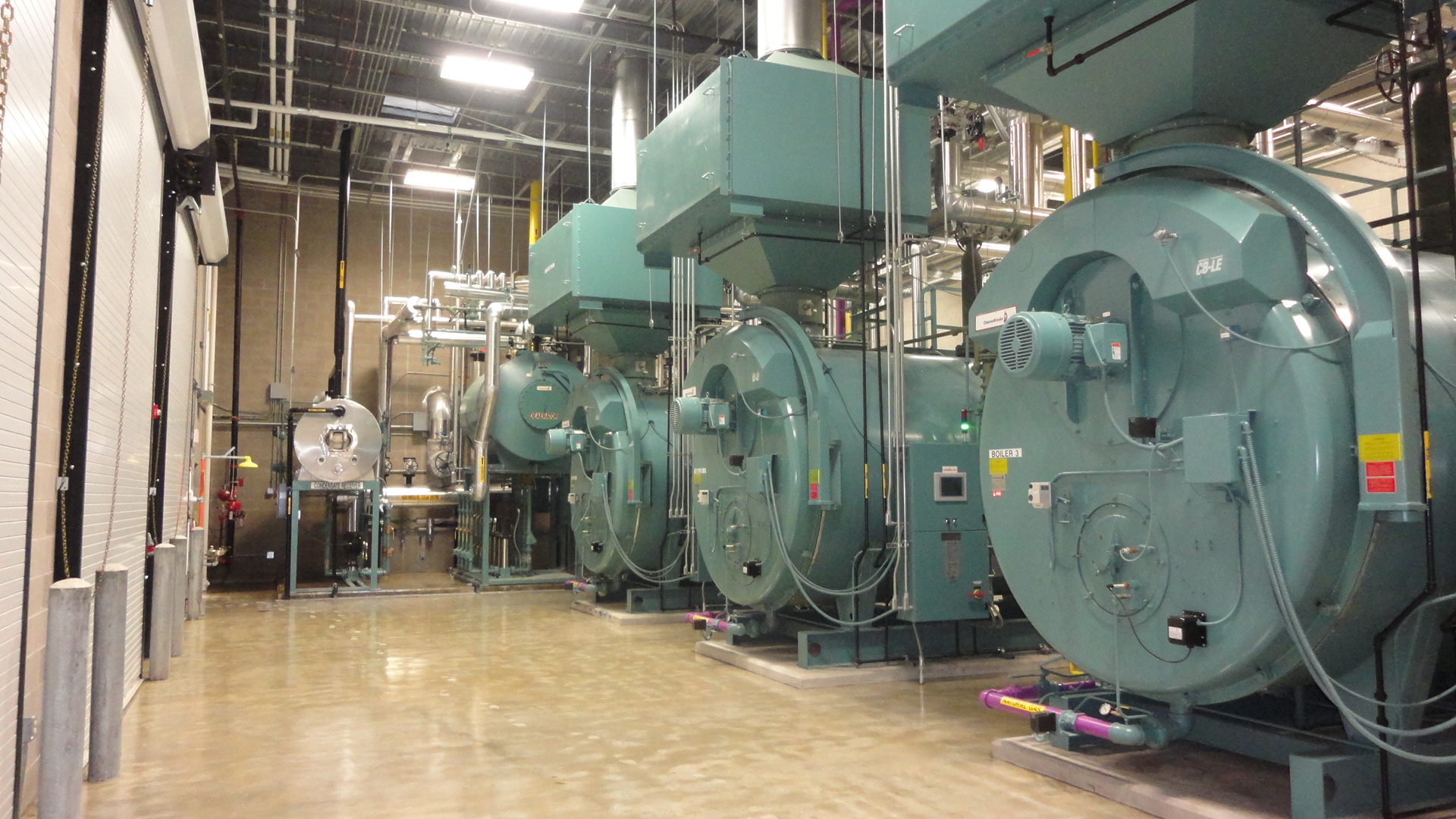
Your food processing plant’s mechanical system will affect the entire facility’s operating efficiency. Water, steam and gas are the basic functions required to run any processing plant, so the design process must begin with a full evaluation of these resources. Your mechanical engineers should address four critical areas in the early stages of your plant’s design:

Continue Reading “Food Processing Mechanical Systems : 4 Critical Areas To Address Early On”

Five Reasons Insulated Metal Panel Ducts Are the Right Choice for Your Food Plant

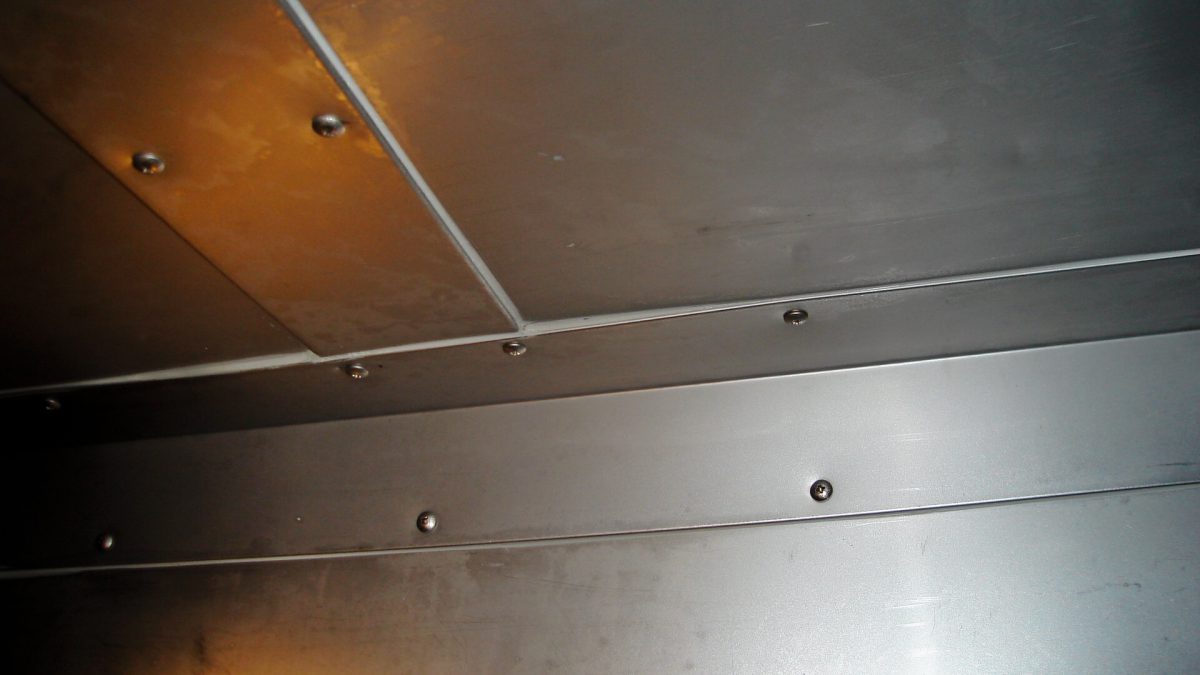
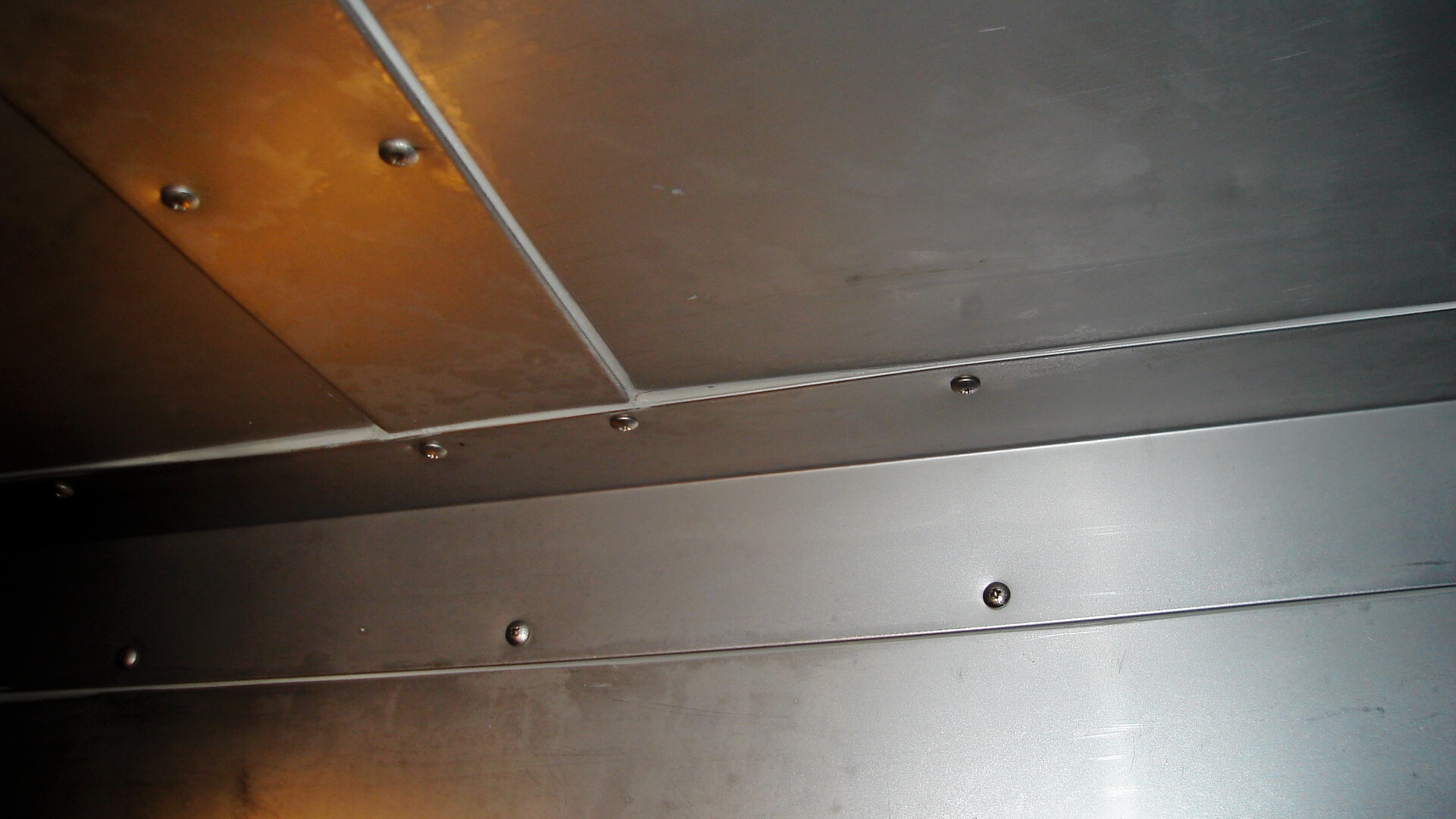
Insulated metal panels (IMP) are becoming the preferred material for ductwork within food plants for their efficient, hygienic and durable qualities. IMPs consist of two steel skins injected with urethane foam insulation, providing a better-insulated solution than traditional ductwork. The steel skins can be constructed of standard pre-finished metal or stainless steel to meet the required sanitary specifications. Panels are cut and fabricated to meet the specific size and space requirements of a facility, and joints are installed together with caulks, urethane spray foam, sealants, vapor barriers and fasteners for an air/vapor-tight construction.

Continue Reading “Five Reasons Insulated Metal Panel Ducts Are the Right Choice for Your Food Plant”

The Advantages of Using BIM for Project Cost Estimating

Building information modeling (BIM) technology is a revolutionary tool used by architecture, engineering and construction (AEC) professionals. It improves overall project collaboration and communication across disciplines by transforming 2D paper-and-pencil concepts into virtual 3D models that decision-makers and end-users can interact with.

When renovating or designing a new food and beverage facility, one of BIM’s most beneficial applications is its ability to define scope in detail.

It’s difficult to determine exact cost estimates early in a project due to supply chain volatility, material costs, labor wage rates, site conditions and other variables. However, BIM software’s granular capabilities can significantly improve the accuracy of those forecasts and track decision impacts throughout the process.

Continue Reading “The Advantages of Using BIM for Project Cost Estimating”

How CALGreen is Impacting Design and Construction Practices

To incorporate sustainability into building construction and design, California established the California Green Building Standards Code—known as CALGreen for short. As the first statewide green building code in the United States, this code’s voluntary and mandatory measures aim to reduce environmental impact during and after construction while increasing buildings’ efficiency in materials and energy usage. As a food manufacturing and/or storage facility owner, you should understand that CALGreen is changing the way the building industry does business.

Continue Reading “How CALGreen is Impacting Design and Construction Practices”

5 Ways Hoses and Flow Panels Can Be a Risk to Your Brewery or Distillery

Breweries and distilleries can be infamous for their “snake pits,” the areas of the facility where transfer hoses can become a tangled mess.

Flow panels and hoses are widely used to route product and cleaning solutions through brewery and distillery piping systems, and they are a cost-effective initial investment. However, as a facility grows, so do the number of connections — and that can quickly get out of control.

These snake pits can pose serious problems for your facility’s efficiency and the safety of your workers. Let’s examine five major risks associated with snake pits, and what you can do about them.

Continue Reading “5 Ways Hoses and Flow Panels Can Be a Risk to Your Brewery or Distillery”

New Year, New Tech: Food Industry Trends to Watch in 2018

Believe it or not, 2018 is just around the corner. A lot happened in the food industry in 2017, including groundbreaking mergers like the Amazon-Whole Foods deal, the first major compliance deadlines for Food Safety Modernization Act (FSMA) rules and the dawn of a new presidential administration.

We know the food industry doesn’t slow down, so what should you keep an eye on as we venture into the new year? Here are some of my top trends to watch in 2018.

Continue Reading “New Year, New Tech: Food Industry Trends to Watch in 2018”

Why CO2 is a Viable Refrigerant Alternative

Did you know CO2 has been used in mechanical systems since the 1800s? However, over time, the industry has gravitated away from CO2 toward lower pressure, synthetic refrigerants like Freon. But now that synthetic refrigerants are being phased out due to their negative environmental impacts, it’s time to take a renewed look at CO2 as a viable refrigerant alternative.   Continue Reading “Why CO2 is a Viable Refrigerant Alternative”

The Evolution of the Refrigeration Environment

The overwhelming majority of climate scientists not only believe in global warming, but believe human activity is to blame. Whether you personally believe this or not, government bodies do. Over the past 30 years, international and national regulatory agencies have responded with legislation that fosters a more sustainable planet. And the attempt to phase out harmful chemicals—including refrigerants—has been constant.

Continue Reading “The Evolution of the Refrigeration Environment”

Food Plant Emergency Response: What to Do After a Hurricane

Hurricane Irma (photo source: ABC News)


The state of Florida, the Caribbean and portions of the Southeastern U.S. are reeling from the impact of Hurricane Irma this week. The deadly storm brought damaging winds and torrential rain to the entire Sunshine State, including our headquarters in Jacksonville.

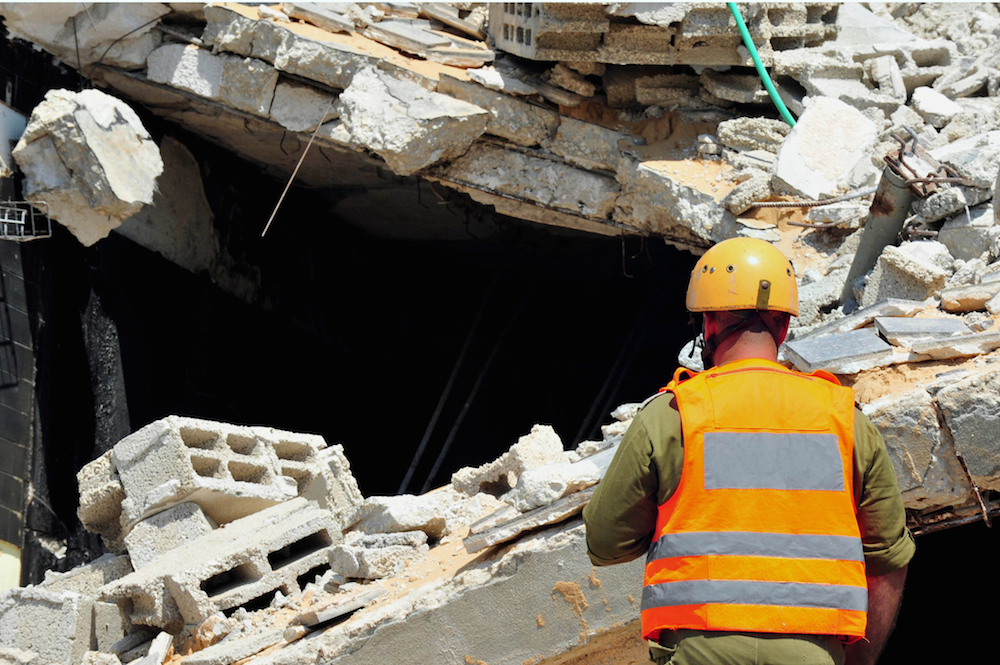
We’re now more than halfway through the 2017 Atlantic hurricane season, and with more than 11,000 food and beverage manufacturing plants in hurricane-susceptible states on the Gulf and Atlantic coasts, it’s critical to plan for the damage a hurricane can bring.

Continue Reading “Food Plant Emergency Response: What to Do After a Hurricane”