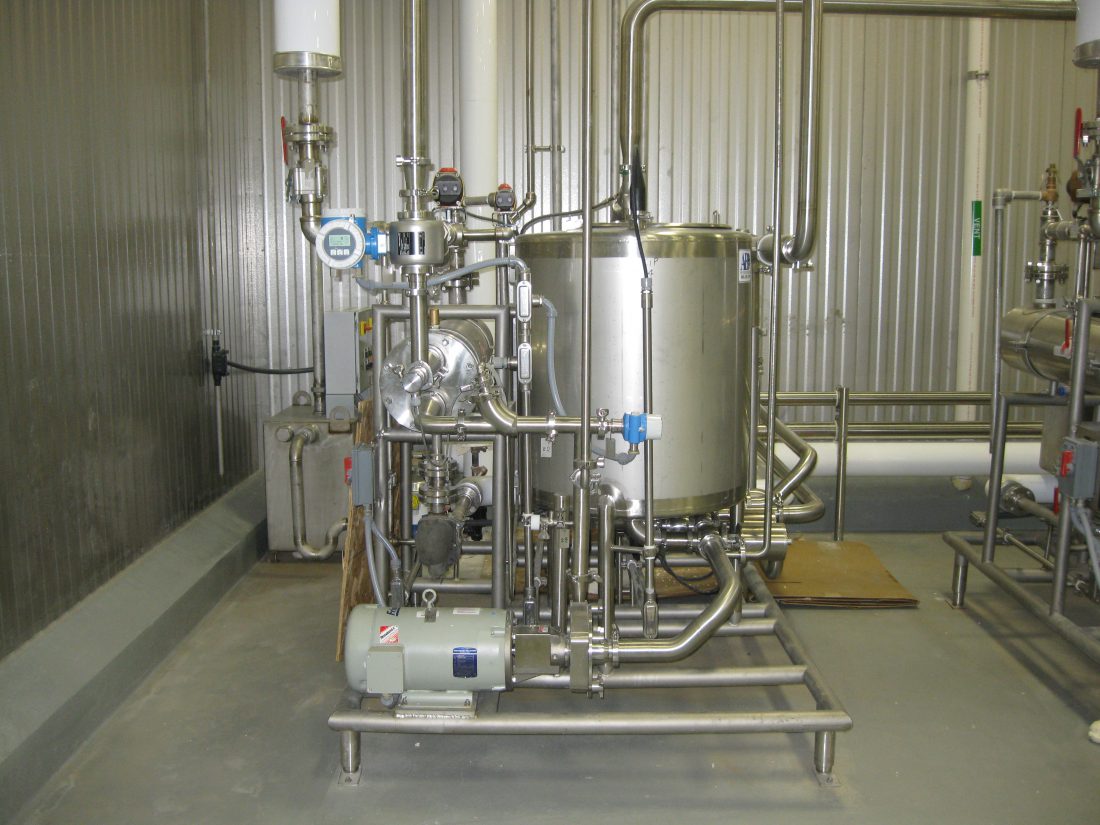
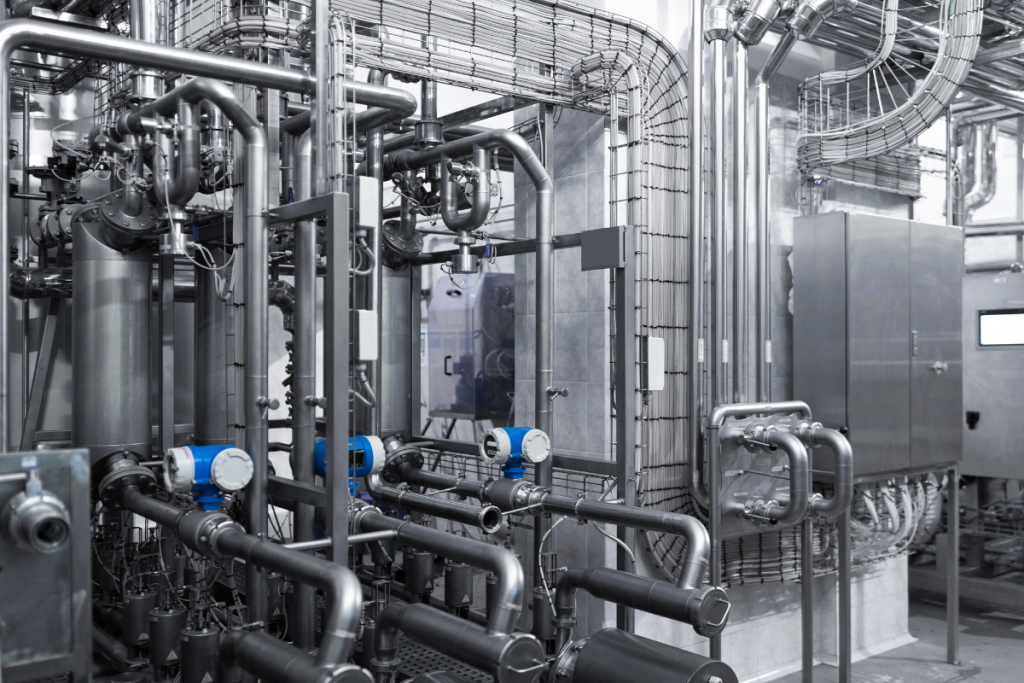
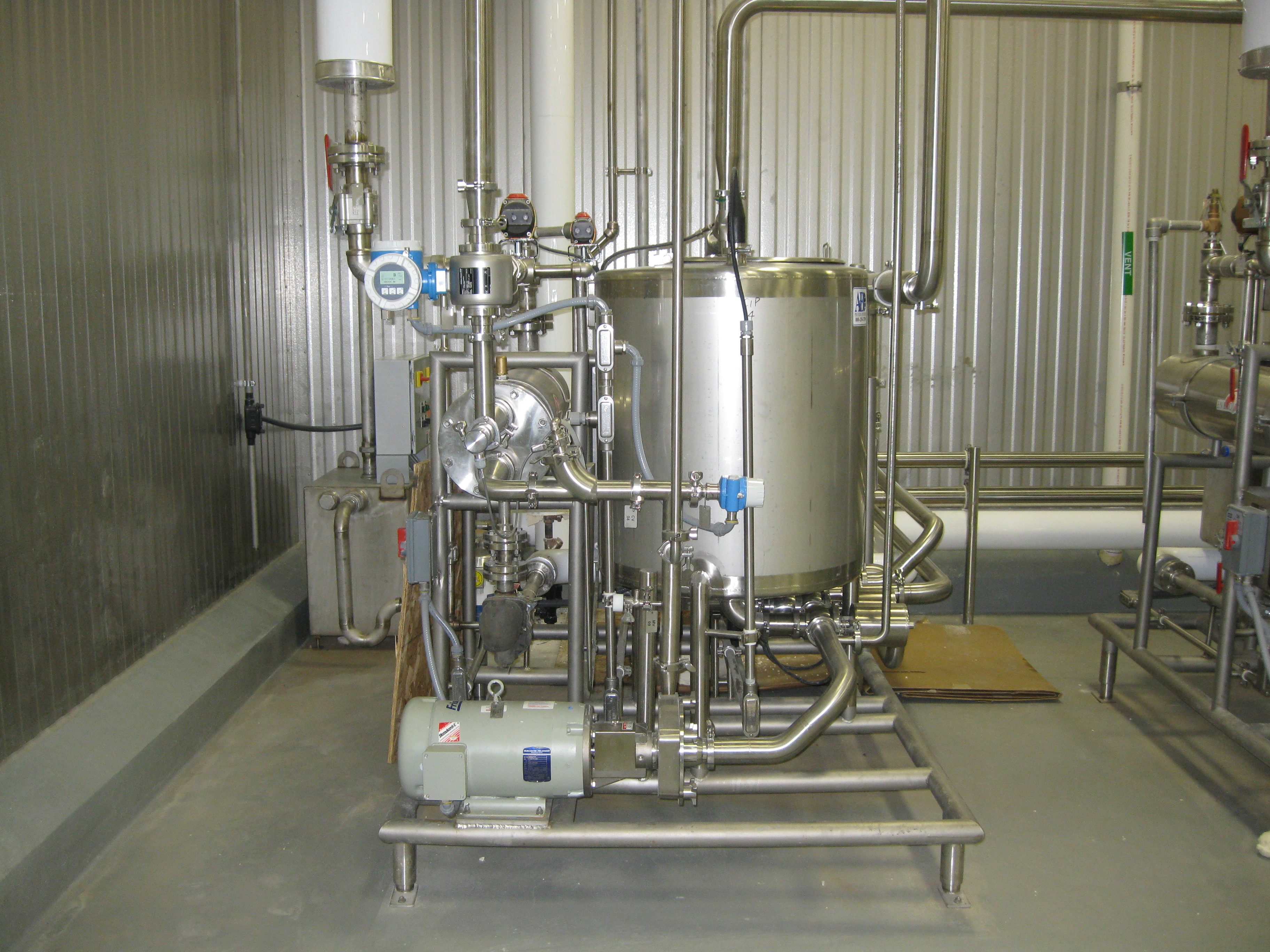
Any food or beverage plant facility that uses clean-in-place (CIP) technology to clean tanks, piping or product lines without disassembly three to seven times a week should implement a reuse design, provided cross-contamination is unlikely. Here are four reasons why:
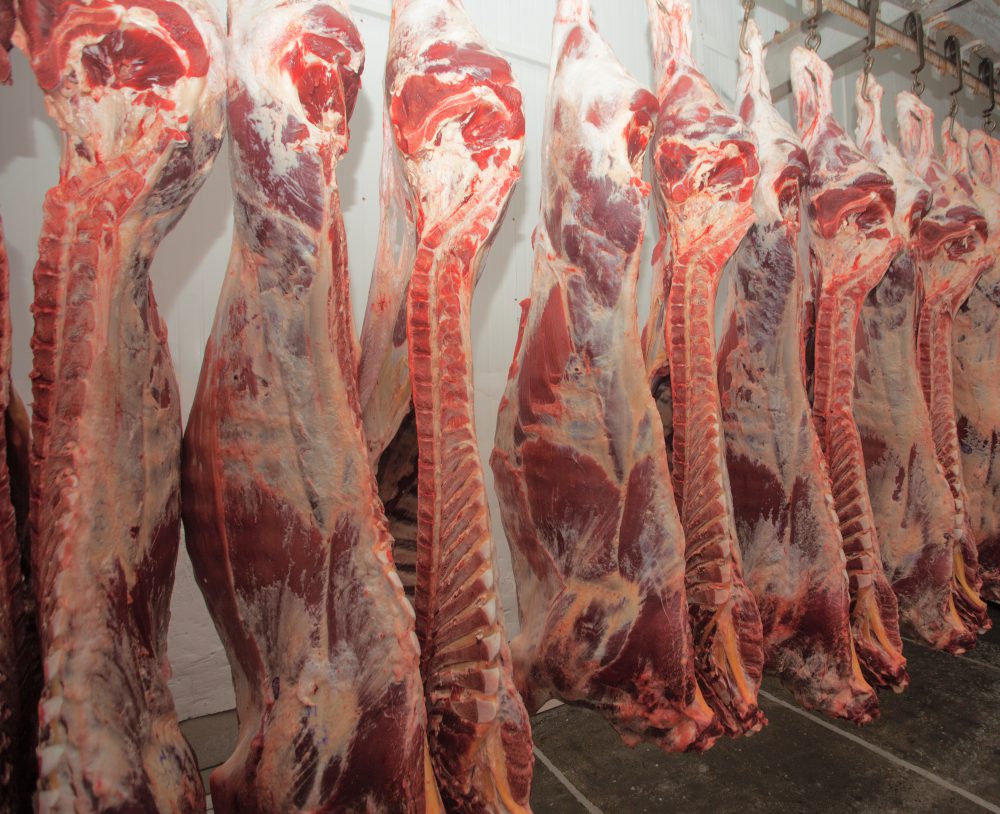
There aremore than 68,000 pork producers in the United States alone—competition is fierce. So how can your hog facility remain competitive? By producing the highest quality product possible for consumers, efficiently. And an effective chilling system is key to facilitating the most premium product for your consumers: a flavorful cut of meat with appealing color, firmness and moisture levels. The faster a carcass is cooled after slaughter, the better quality the meat will be. Quick chill systems, specifically, reduce chill time and produce a better cut of meat. While they may be a significant upfront investment for your food plant, this method offers significant advantages and long-term ROI.
When it comes to ammonia refrigeration machine rooms, ventilation updates can often be overlooked.
Current and new mechanical codes — International Mechanical Code (IMC) and Uniform Mechanical Code (UMC) — defer to IIAR 2 (and sometimes ASHRAE 15) as the referenced code for ammonia refrigeration systems, including the machine room ventilation.
Just because your ammonia system was designed to code years ago it may not necessarily be code compliant today.
If you have updated your refrigeration system recently, did you update your machine room’s ventilation as well?
After months of discussions and hours of negotiations, nearly 200 nations have now reached a deal to limit the use of greenhouse gases worldwide. In October, world leaders agreed to the deal that would gradually phase out the use of hydrofluorocarbons (HFCs) starting in 2019.
A clean-in-place (CIP) system is a cost-effective and time-saving tool that rinses and washes the inside surfaces of food processing piping and equipment without mechanical disassembly. When designed well, a CIP system improves sanitation and enhances food safety while both simplifying the cleaning process for plant operators and reducing downtime. It automates what has traditionally been a laborious and time-consuming manual process of disassembling the piping, hand-cleaning each component and reassembling equipment.
In addition to lost revenue from halted production, improperly cleaned equipment can spread foodborne contaminants from batch to batch, which is dangerous to consumers and can lead to recalls that directly impact a company’s bottom line and reputation.
If you’re considering investing in a CIP system for your facility, it’s important to ensure you’re getting a design that is reliable and up-to-date. Your process design team should consider the overall needs of your operation, including changeover efficiency, water conservation and how the design will affect the complexity of the system.
Over the years, the role of food plant architects has expanded greatly, requiring designers to become true experts in sanitary design. As a result, some best practices have emerged in the food processing design-build industry to ensure food safety and prevent problems, and added expenses, down the road.
Business owners are increasingly discovering the benefits of working with design-build firms, according to a comprehensive new study on the design-build market released by Food Marketing Institute (FMI). The study found design-build now makes up almost half of all construction projects nationwide, and market share is expected to keep growing over the next three years.
Research showed design-build use has not only expanded across all sectors and regions of the U.S., but owners who used this project delivery method were more satisfied with their experience compared to other methods due to advantages like innovation and quick speed to market.
Here are the key takeaways from FMI’s study on the design-build market now and where it’s headed in the next few years.
Preventive maintenance should be one of your key strategies to keeping your plant’s assets healthy. While equipment upkeep and parts replacements are necessary, there are ways you can reduce your preventive maintenance costs without decreasing your food processing facility’s operational efficiencies.
Building anything right now can be daunting and expensive, much less a large industrial facility. In the wake of the COVID-19 pandemic, the cost of construction materials has skyrocketed, labor is scarce and demand is surging. But that doesn’t mean the food supply chain can stop.
Food manufacturers and distributors still have customers to serve — and, for some, that still means investing in a new facility. At a time when construction costs are high, a company might make up for it in savings by reconsidering where the facility is built.
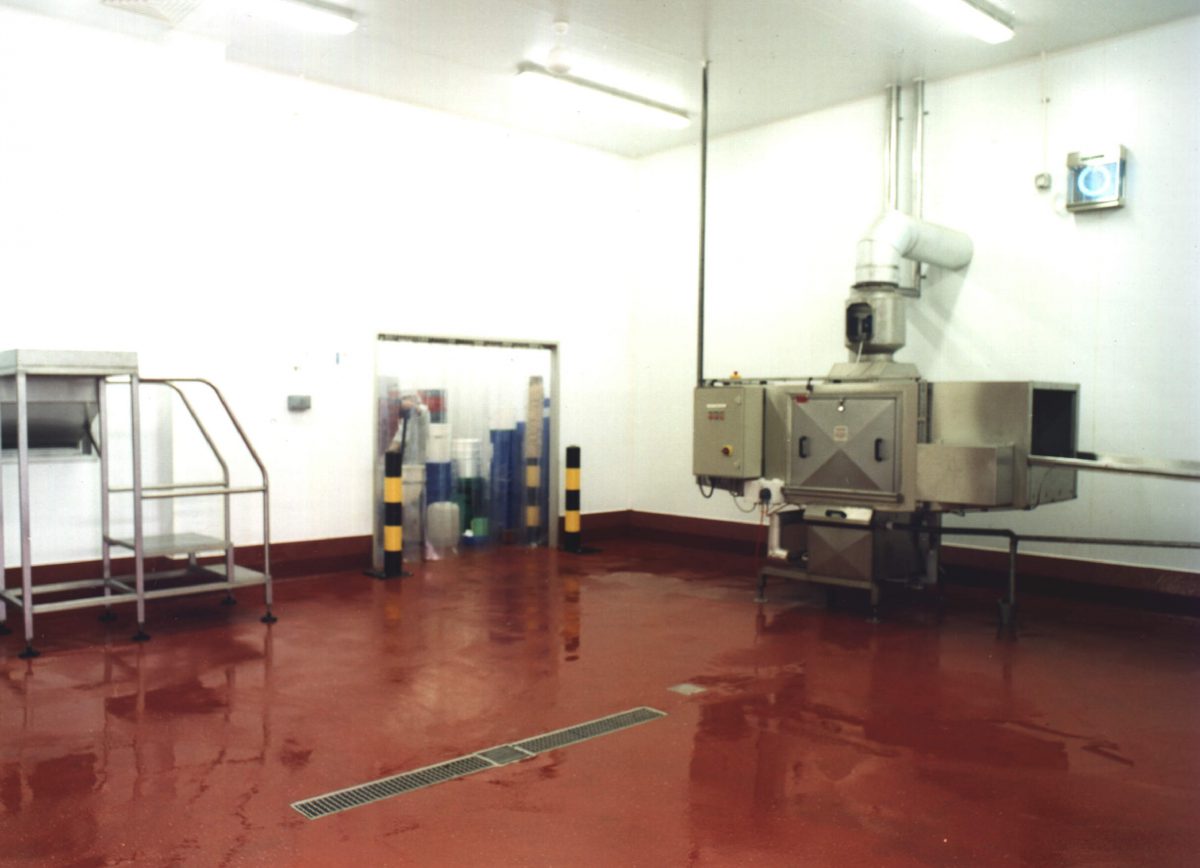
Flooring systems are one of the most critical elements in food and beverage facility design. However, owners often don’t consider selecting a flooring system until after the preliminary design phase. This is the wrong approach. You should discuss flooring systems before they are specified and before designers are in the bidding phases to facilitate the most successful system for your facility.