HFC Refrigerant Regulations: What to Do as States Adopt SNAP Rule 20

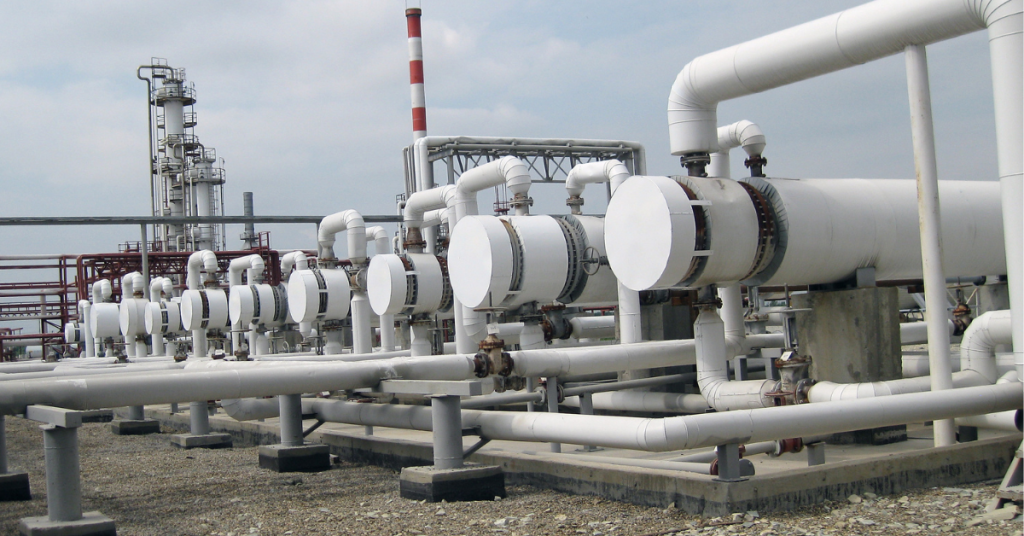
When the Environmental Protection Agency (EPA) announced they were going to phase out hydrofluorocarbon (HFC) refrigerants in 2015, many in the industry began preparing for the coming changes. The new proposed regulations under Section 612 of the Clean Air Act, known as SNAP Rule 20, established a schedule to phase out common HFC refrigerants such as R-22, R-124 and R-507.

However, when major chemical companies challenged the EPA in federal court in 2017, a judge ruled the EPA didn’t have the authority to mandate the changes. Attempts to appeal the court’s decision failed, and the EPA acknowledged they will not enforce the rule.

However, just because the rule was overturned at the federal level doesn’t mean you’re in the clear if you use these refrigerants.

Continue Reading “HFC Refrigerant Regulations: What to Do as States Adopt SNAP Rule 20”

4 Ways to Expand Value-Added Services at Your Cold Storage Warehouse

A major trend in the cold storage industry today is a push toward expanding value-added services — additional, non-core services cold storage companies can offer clients. As client needs change, many operators of traditional warehouse spaces are looking to diversify and create new revenue streams.

But what options are out there? Let’s look at the current trends in value-added services being offered by cold storage operators.

Continue Reading “4 Ways to Expand Value-Added Services at Your Cold Storage Warehouse”

Strategic Planning for Food Processors: 4 Elements Your Business Plan Must Address

Does your food processing company have a strategic plan? Failing to plan is planning to fail—especially when it comes to your business. Earlier this year, Stellar hosted the Food Engineering webinar, 3 Key Elements in a Successful Strategic Plan for Growth. That webinar is now available on-demand, so you can still catch up on our discussion about how strategic planning can benefit food manufacturing plants, and how you can get started with developing your own strategic plan.

Continue Reading “Strategic Planning for Food Processors: 4 Elements Your Business Plan Must Address”

Make to Stock vs. Make to Order: Why One is on the Rise (and What Manufacturers Need to Know)

Historically, most food and beverage manufacturers have used some combination of production strategies to develop their products, but recent supply chain disruptions and consumers’ desire for variety are forcing many to rethink their approach.

Make to stock (MTS) is a traditional “build-ahead” production strategy in which manufacturing plans are based upon sales forecasts and/or historical demand. A company using this approach would estimate how many orders its products could generate, and then supply enough stock to meet those orders.

Make to order (MTO), on the other hand, is a production approach in which products are not made until a confirmed order is received. This typically allows consumers to purchase products customized to their specifications.

Continue Reading “Make to Stock vs. Make to Order: Why One is on the Rise (and What Manufacturers Need to Know)”

Gluten-Free Manufacturing: How to Capitalize on the Market’s Growth Opportunities

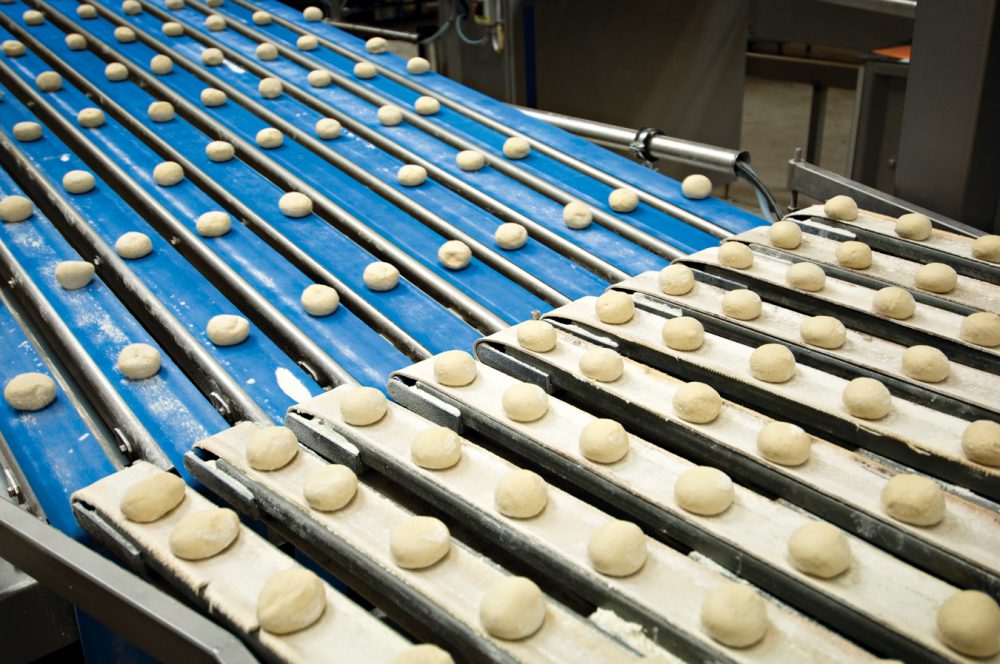
Last week, we explored how to overcome four common bakery challenges for implementing gluten-free products into your offerings. As the IBIE Baking Expo kicks off this weekend, we’ll continue exploring the growth of the gluten-free market and how bakeries can safely integrate these niche products into their facilities.

Continue Reading “Gluten-Free Manufacturing: How to Capitalize on the Market’s Growth Opportunities”

[Infographic] Factors That Influence Cold Storage Warehouse Cost Savings

At the close of 2014, data released by the International Association of Refrigerated Warehouses showed that the total capacity of refrigerated warehouses has increased 20 percent since 2012. And over the past few months, trade magazines have been honing in on the topic, tapping into our team members at Stellar for insights into cold storage construction, including rising technologies, efficiencies and best practices. Continue Reading “[Infographic] Factors That Influence Cold Storage Warehouse Cost Savings”

Why Stainless Refrigerant Piping is a Better Investment Than Carbon Steel

When deciding on refrigerant piping for your food processing facility, you’re faced with two major options: carbon steel or stainless. While carbon steel, or black pipe, is the industry standard, stainless is a far better investment for your food manufacturing plant due to lifetime costs, maintenance and durability. Continue Reading “Why Stainless Refrigerant Piping is a Better Investment Than Carbon Steel”

Boilers vs. Direct-Fire vs. Glycol: Water Heating Systems to Consider for Food and Beverage Plants

As explained in this previous post, food processing operations require substantial energy. While utility costs are unavoidable, various factors can enhance efficiency and achieve long-term cost savings, including a facility’s water heating system. Considering your production specifications and overall environment, there are specific systems available that can effectively minimize energy consumption in your food or beverage production. Thus, it’s important to explore these systems and understand their differences. So, what are these systems, and how do they vary from one another?

Continue Reading “Boilers vs. Direct-Fire vs. Glycol: Water Heating Systems to Consider for Food and Beverage Plants”

Hog Chilling: Why Quick Chill Systems are Worth the Investment

There are more than 68,000 pork producers in the United States alone—competition is fierce. So how can your hog facility remain competitive? By producing the highest quality product possible for consumers, efficiently. And an effective chilling system is key to facilitating the most premium product for your consumers: a flavorful cut of meat with appealing color, firmness and moisture levels. The faster a carcass is cooled after slaughter, the better quality the meat will be. Quick chill systems, specifically, reduce chill time and produce a better cut of meat. While they may be a significant upfront investment for your food plant, this method offers significant advantages and long-term ROI.

Continue Reading “Hog Chilling: Why Quick Chill Systems are Worth the Investment”