

If You’re Renovating or Expanding a Facility, You Need 3D Laser Scanning

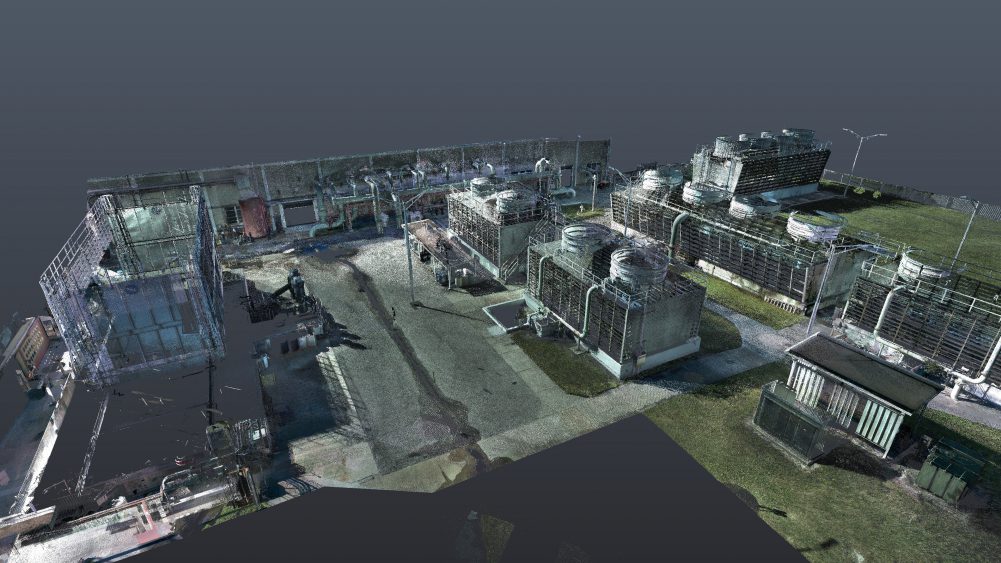
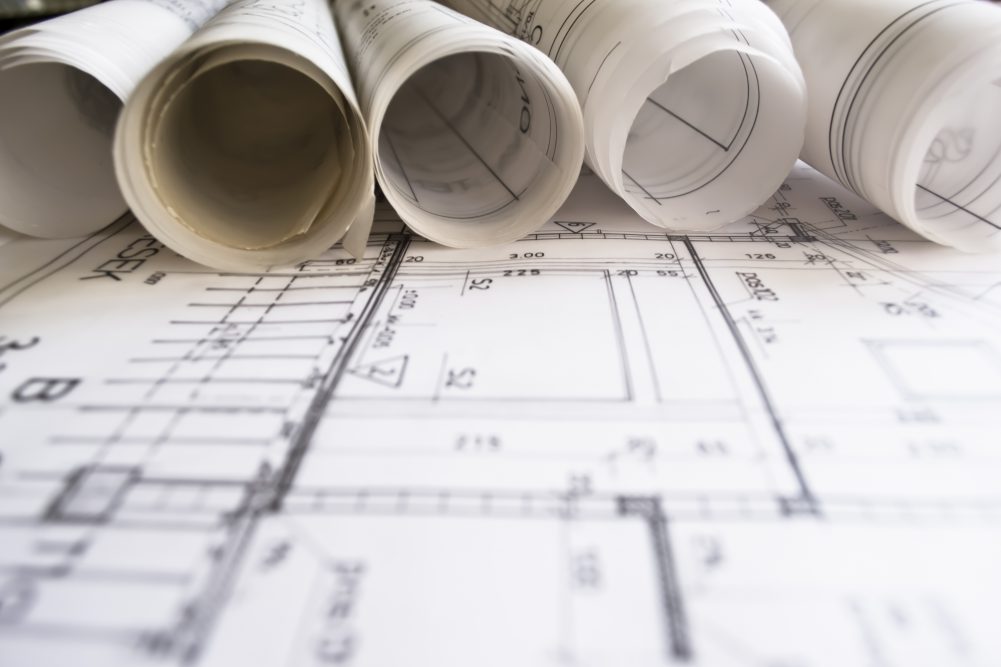
Are you looking to expand your facility? Retrofit an existing structure? Renovate an older plant? Today’s technology makes these projects more efficient and more accurate than ever before.

3D laser scanning — and an AEC firm that knows how to leverage it effectively — are must-haves for modern-day food plant projects.

Continue Reading “If You’re Renovating or Expanding a Facility, You Need 3D Laser Scanning”

7 Food Industry Trends to Watch in 2020

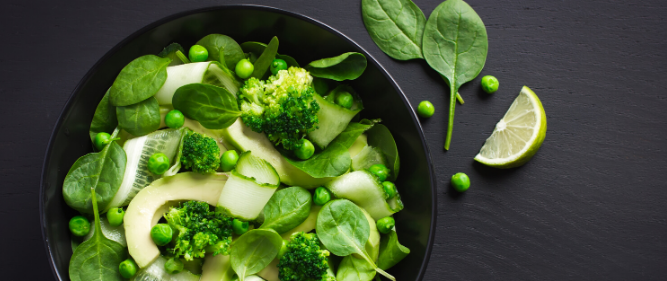
The food and beverage industry continues to change rapidly, with 2019 seeing the growth of plant-based foods, health and wellness, and clean label products. 

In 2020, conscious consumerism still remains at the core of industry trends. Consumers are factoring both their personal health and the health of the planet into their buying decisions, prioritizing factors like nutrition, convenience and sustainability.  

Understanding what consumers are shopping for is imperative for food companies to stay ahead of the curve. That’s why we’ve compiled a list of the top trends that will impact the food industry in the new year.  

Continue Reading “7 Food Industry Trends to Watch in 2020”

How 3D Printing is Complementing the Refrigeration Design Process

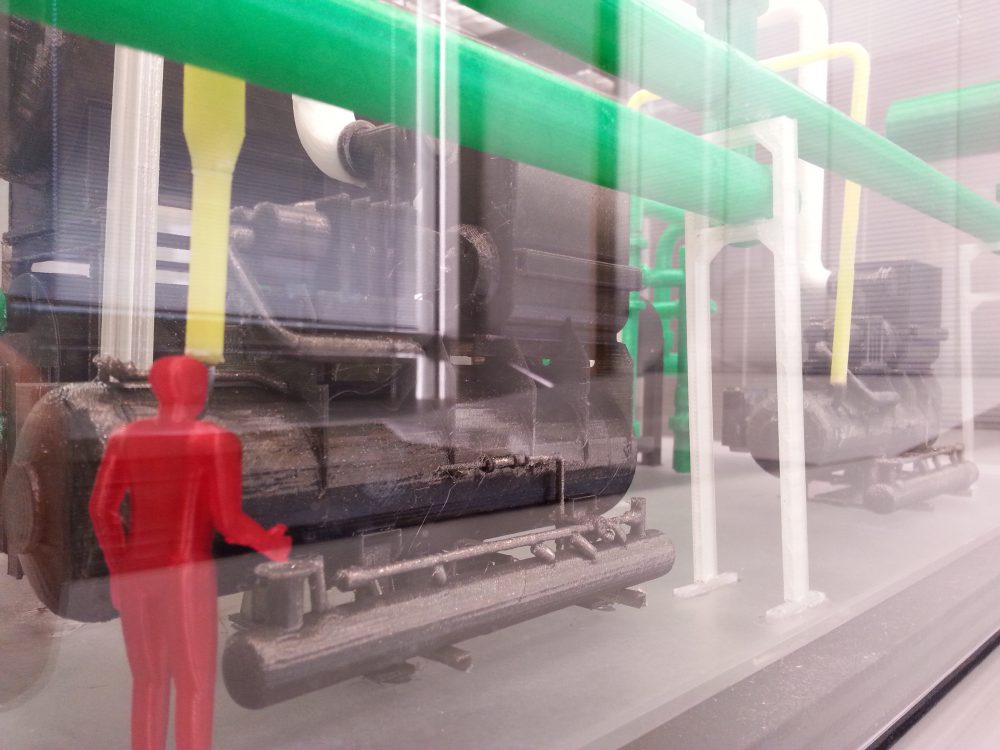
Headlines have been hot with 3D printing news, toying with opinions on how the technology could affect the everyday consumer experience. At Stellar, we’re seeing the value of 3D printing firsthand. For over a year now, we’ve been using 3D printers to provide our refrigeration clients with 3D models they can touch and feel–and it has proved to offer benefits for both sides of the table.

Continue Reading “How 3D Printing is Complementing the Refrigeration Design Process”

Is RFID Worth It for Food Traceability?

While barcode tracking is the standard for supply chain traceability in the food industry, it’s not the only option. As RFID technology has advanced, many have asked if it’s worth the investment for food manufacturing and distribution.

RFID technology has its pros and cons. For example, it offers more functionality, but is typically more expensive, which is why it’s often reserved for products with a greater profit margin such as automobiles. So does it ever make sense for a food or beverage company?

Continue Reading “Is RFID Worth It for Food Traceability?”

Food Plant Construction: How We Cut Three Months of Weather Delays Down to One

Combating weather delays in a construction project is always a shifting challenge, but how do you cope with record-breaking rainfall, subzero temperatures, delayed equipment and an aggressive project schedule? Read on for lessons learned from a recent project we completed in the state with the second-coldest winter in the continental U.S.

Continue Reading “Food Plant Construction: How We Cut Three Months of Weather Delays Down to One”

Converting an Existing Building into a Food Plant? Don’t Ignore These 4 Areas

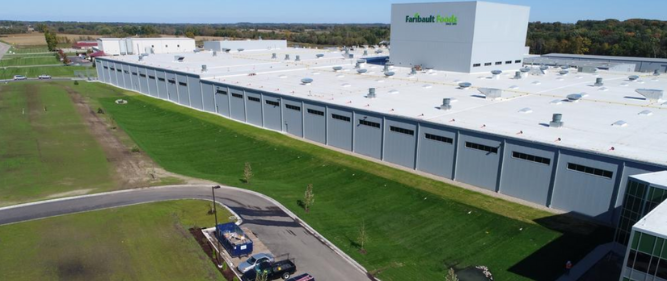
Recent construction growth is forecasted to continue in the coming years, and when it comes to their next food processing facility, many companies are retrofitting existing buildings rather than building new. Speed to market is a top priority in today’s rapidly changing food industry, so this often seems like a quick solution for a growing business.

However, food and beverage facilities have unique and specific infrastructure needs, so if you’re converting a non-food facility into one, there are four main factors you’ll have to address.

Continue Reading “Converting an Existing Building into a Food Plant? Don’t Ignore These 4 Areas”

How to Run Effective Food Processing Equipment Design Meetings

So you’re building a new food manufacturing facility, or maybe you’re revamping your current processing lines. Either way, the equipment design phase is critical to the timeline of your project and the success of your plant.

Efficient and effective design meetings play a huge role in ensuring your schedule doesn’t stall and that the best decisions are made. I’ve seen how poorly run meetings can hamper the equipment design process — not only does it make life more difficult for the firm you’re partnering with, but it can create headaches for your internal team as well.

Continue Reading “How to Run Effective Food Processing Equipment Design Meetings”

The One Mistake You’re Making With Your Compressor Logs

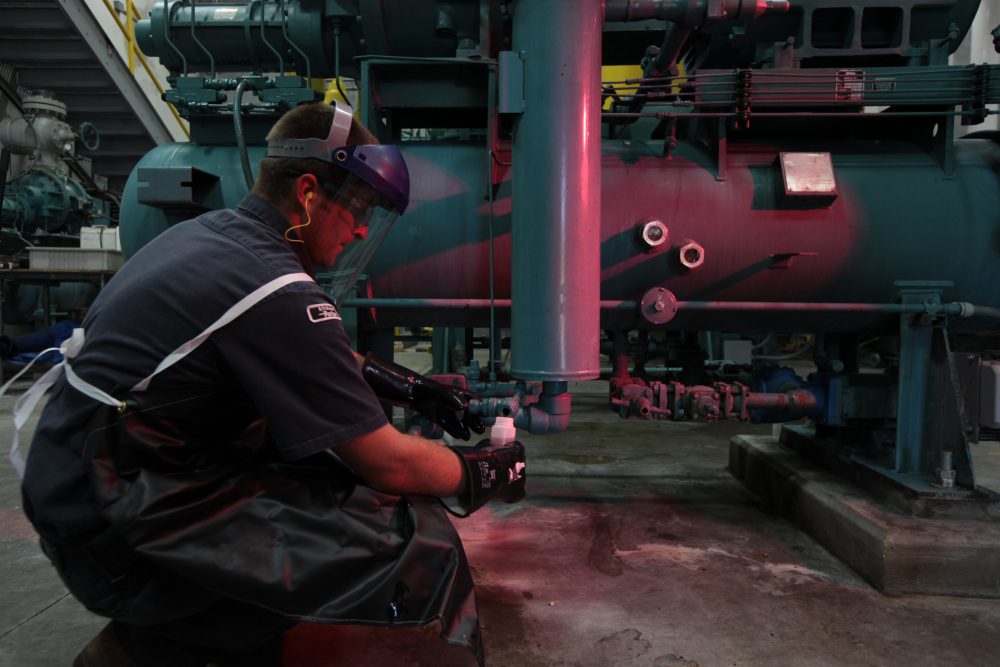
After working with compressors for nearly three decades, there’s one mistake I see people making time and time again when it comes to their compressor maintenance. They keep their daily logs, recording necessary temperatures regularly, but when they’re through, they simply put the logs aside and don’t look at them again. The results are not analyzed for corrective measures, if discovered. Are you looking back to ensure you’re addressing the inconsistencies and issues you notice during your compressor evaluations? Analyzing the daily logs is just as important as writing it down. Continue Reading “The One Mistake You’re Making With Your Compressor Logs”

Selecting the Best Drainage Systems for Food & Beverage Processing

Whether you’re building a new facility or upgrading an existing one, it’s vital to have a well-designed drainage system throughout your processing areas. In fact, the North American Meat Institute (NAMI) lists the prevention of liquid accumulation as one of the top three principles of sanitary facility design

Poor drainage in a food and beverage facility can impede the sanitation process and greatly affect overall food safety. Meanwhile, proper drainage design speeds up cleaning and reduces health and safety risks for both workers and production. 

When done incorrectly, your facility’s drainage system can contaminate ingredients and products that then must be discarded, directly impacting your bottom line. In addition, recalls caused by product contamination can damage both your company’s reputation and your product category.

Continue Reading “Selecting the Best Drainage Systems for Food & Beverage Processing”