

The Industrial Internet of Things (IIoT) and What It Means for Your Food Plant

By now, you’ve likely heard about the various ways our homes are getting “smarter.” We now have devices such as the Amazon Echo, Wi-Fi-connected toaster ovens and doorbells with live-streaming video. Nowadays, you can lock your front door from your smartphone, tell Siri to turn on the lights inside your house and control your thermostat from anywhere you have an internet connection.

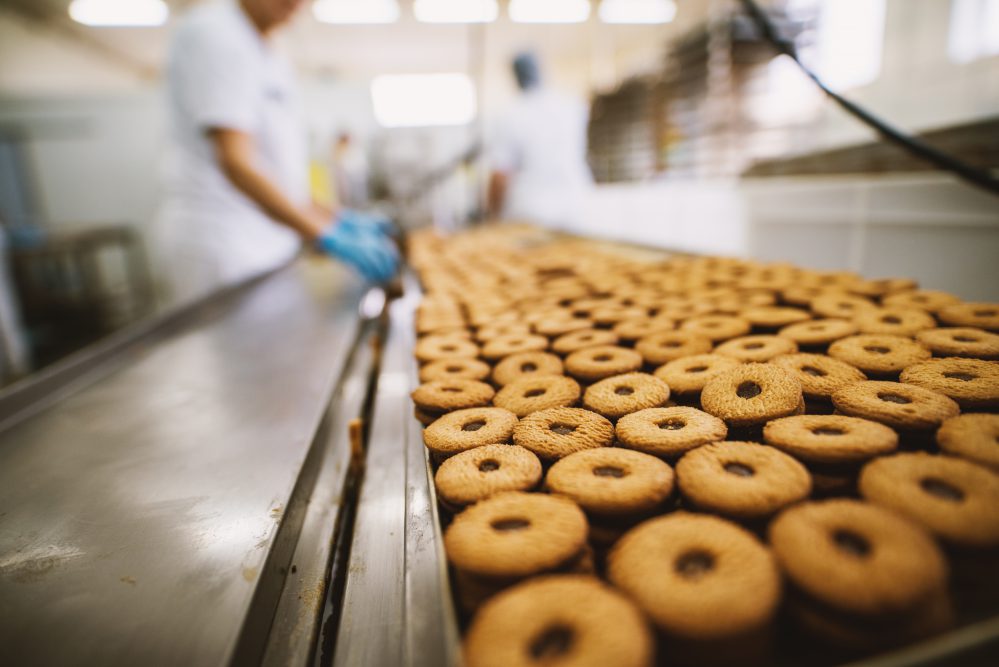
These networks of physical devices embedded with electronics, sensors and software that allow them to connect and communicate are often referred to as the Internet of Things. This new era of technology isn’t just limited to your home, though — food and beverage plants are taking advantage of smart devices as well.  

Continue Reading “The Industrial Internet of Things (IIoT) and What It Means for Your Food Plant”


How to Design Efficient Product Flow into a New Food Plant

Product flow inefficiencies can create a detrimental domino effect within your food and beverage business. When your processing “chain” has breaks and delays, it can cost money, waste time, jeopardize food quality and introduce safety hazards on the production floor.

In last week’s post, we discussed how to detect product flow problems in an existing facility and how to improve them. Now, we’ll focus on how to ensure a new facility is set up for success from receiving to shipping and everything in between.

The ultimate key to success is designing a plant that is linear so that product moves seamlessly downstream through each of the below steps without interruption.

Let’s take a look at those individual steps and how to optimize each for efficient product flow.

Continue Reading “How to Design Efficient Product Flow into a New Food Plant”

Big Data in Food Plants: Short-term and Long-term Investments that Yield ROI

Today’s big data tools and technology can create significant cost savings in modern food and beverage plants — and the return on investment (ROI) can come in the form of reducing losses or improving production.

Every company has a different outlook when it comes to capital spending, though, with some focused on short-term investing and others taking a long-term approach. Let’s look at some short-term and long-term options when it comes to big data and analytics tools.

Continue Reading “Big Data in Food Plants: Short-term and Long-term Investments that Yield ROI”

How Stocking Up (or Not) on Spare Refrigeration Parts Can Impact IIAR 6 Compliance

When using ammonia refrigeration in a facility of any kind — whether it be meat or poultry processing, frozen food production or cold storage — compliance with ammonia safety standards is a must.

The International Institute of Ammonia Refrigeration (IIAR) is a membership-based technical society focused on ammonia refrigeration advocacy, education and standards. As an accredited American National Standards Institute (ANSI) Developer, IIAR establishes the minimum requirements for safely inspecting, testing and maintaining closed-circuit ammonia refrigeration systems.

Continue Reading “How Stocking Up (or Not) on Spare Refrigeration Parts Can Impact IIAR 6 Compliance”

Are HEPA Filters the Most Valuable Choice for Your Plant?

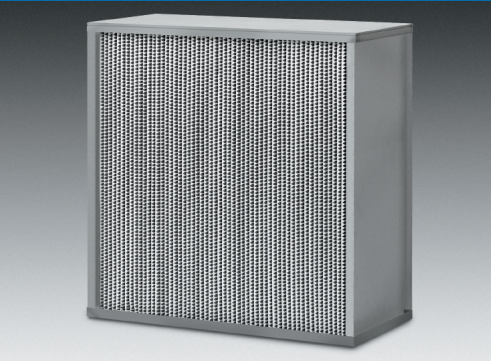
Because billions of particles lace unconditioned air with dust, dirt, bacteria and pathogens, your plant’s air filters are crucial to preventing contamination and ensuring food safety. But when it comes to filtration, more isn’t necessarily better. This is especially true with high-efficiency particulate air (HEPA) filters. While HEPA filters may be a necessity for some plant environments, they could be expensive overkill for others.

Continue Reading “Are HEPA Filters the Most Valuable Choice for Your Plant?”

How to Design Your Food Plant for Worker Safety

Today, firms are “[designing] safety for each worker into every phase of every building project.” We’re addressing worker safety from the start—at the facility design phase—strategically designing plants with safety at the forefront. We call this “sustainable safety”: a strategy that unifies design and construction teams with owners and managers to identify potential hazards and integrate employee safety through design, products, services and educational programs.

Continue Reading “How to Design Your Food Plant for Worker Safety”

3 Ways You’ll Save Money on Your Next Design-Build Food Project by Working with a Fully Integrated Firm

Food and beverage companies are faced with a decision when they decide to construct a new facility: contract a design-build firm or go with the traditional design-bid-build project delivery method. Nowadays, design-build is an increasingly popular option because it allows a project to be completed under one contract and in one unified workflow from initial concept through completion.

Not all design-builders are created equal, however. In the food and beverage industry, working with a fully integrated firm can save money, improve safety and increase speed to market on a project.

I call it the “three-legged stool” methodology: A fully integrated firm provides design, construction and process engineering services — the three major components to build a food plant — all under one roof.

Continue Reading “3 Ways You’ll Save Money on Your Next Design-Build Food Project by Working with a Fully Integrated Firm”

Choosing the Best Flooring Material for Food & Beverage Processing Areas

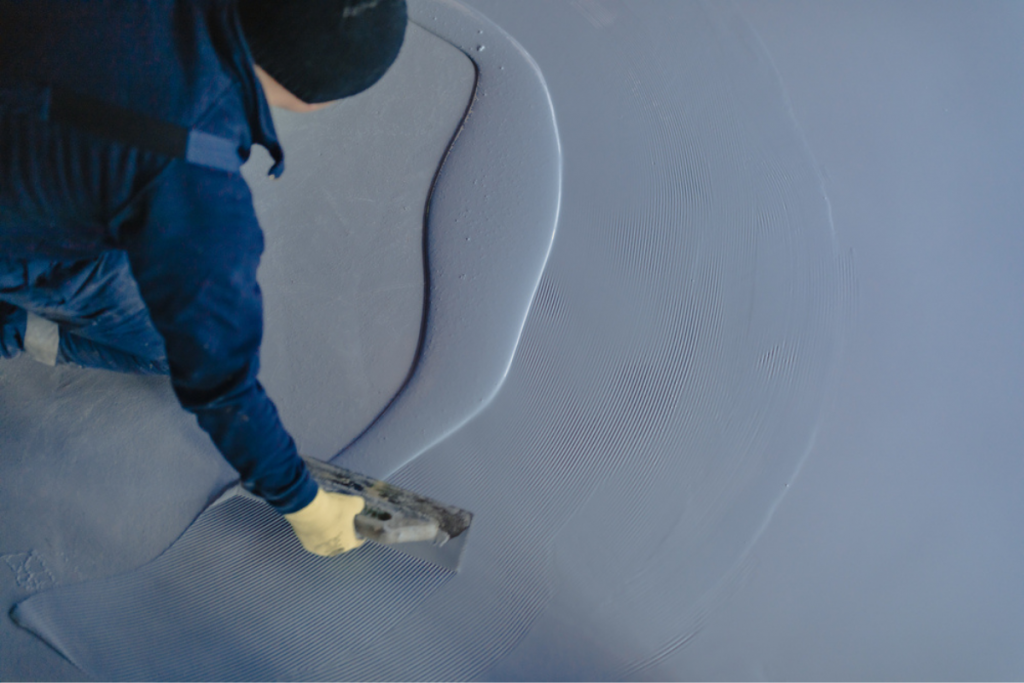
The flooring systems in food and beverage processing areas are an essential component of the facility’s daily operation. Whether you’re evaluating flooring in a food production, storage or welfare space, the floor’s cleanability, resilience, durability and surface characteristics are integral to the space’s sanitation and safety. 

Selecting the appropriate flooring system for each area is an important and nuanced operational and budgetary decision, especially in a highly regulated industry like food processing. The decision requires careful consideration in the earliest stages of the design and construction process.

Continue Reading “Choosing the Best Flooring Material for Food & Beverage Processing Areas”

How to Get the Best Price for Your Next Food Plant Construction Project in Today’s Fast-Paced Market

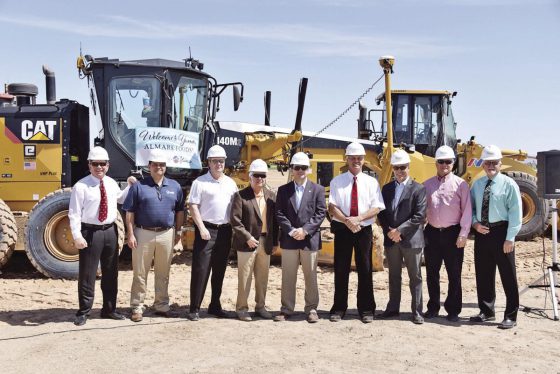
It’s an exciting and interesting time for both the food manufacturing and construction industries. Thanks to recent tax reform, a healthy economy and other factors, capital spending is up, and the industrial/commercial construction industry is bigger than it has been in decades. This trend is expected to continue, with U.S. construction projected to grow by 4.5 percent over the next several years.

While many would agree that this is a positive, it can also present challenges for food and beverage companies looking to build new facilities or renovate existing ones. Today’s booming construction market means things move fast and contractors can be more selective.

So how can you ensure you get the best price when seeking out a firm for your next project?

Continue Reading “How to Get the Best Price for Your Next Food Plant Construction Project in Today’s Fast-Paced Market”

An Inside Look at the Award-winning Royal Cup Coffee & Tea Processing Facility [PHOTOS]

For more than 120 years, Royal Cup Coffee & Tea has been rooted in its hometown of Birmingham, Alabama. Over the past century, Royal Cup has grown from selling coffee out of a horse-drawn wagon to a major international importer, roaster and distributor of premium coffees and teas.

Recently, in an effort to meet the demand of its rapidly growing consumer base, Royal Cup consulted with the Stellar team on how it could revamp its 40-acre campus to increase production as well as set the industry standard for safety and efficiency.

Continue Reading “An Inside Look at the Award-winning Royal Cup Coffee & Tea Processing Facility [PHOTOS]”