

A strategic plan is a roadmap that defines the future of your business. That roadmap is crucial to your company’s success down the road, but creating one is a heavy undertaking. Food processors are already pressed for time with day-to-day tasks, and dedicating time and resources to plan for the future may not be feasible.
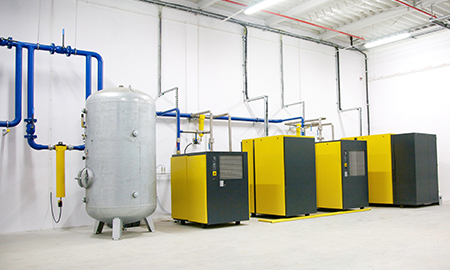
Compressed air is a commonly used power source in manufacturing facilities, but it isn’t necessarily a cheap one. Aided by theCompressed Air Challenge movement, which started 20 years ago, users have started treating compressed air as a utility with supply and demand.
This has led to a greater understanding of how to use compressed air efficiently, but many facilities are still running on systems that are not optimized.
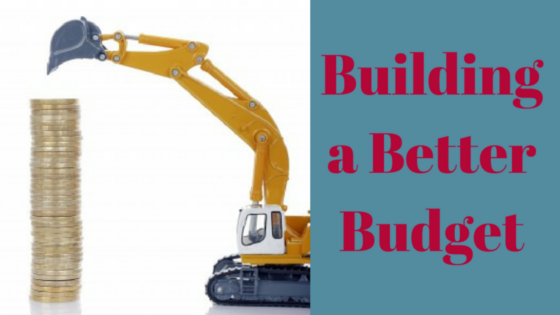
‘Tis the season to … piece together your capital budget for the new year. When estimating your numbers for food processing projects on the horizon, don’t just base your predictions on what you did the last time around. You shouldn’t be estimating costs based solely on square footage, either. However, there are ways to build a higher confidence level behind your budget and ensure its accuracy—it all lies within the data. Continue Reading “How to Build a Better Capital Budget for Your Food Processing Plant”

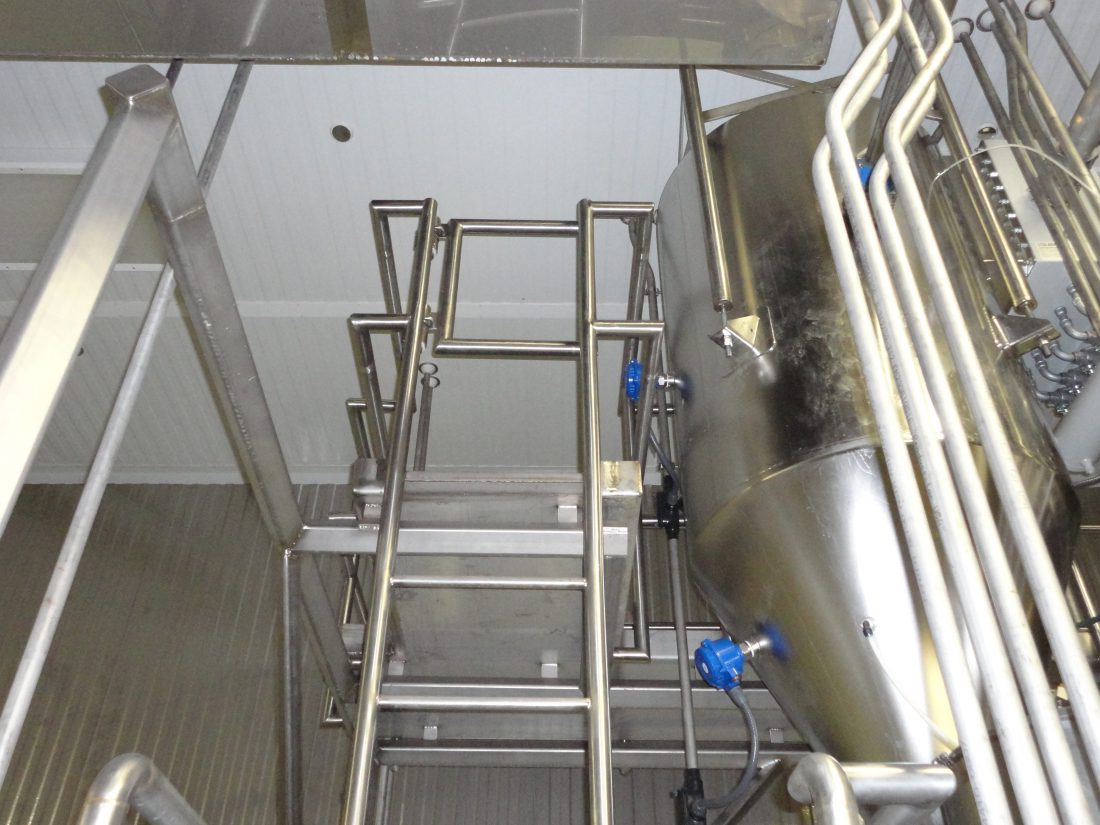
What if I told you that your facility could shorten its process safety management (PSM) audit from four days to four hours? This was a reality for a plant I audited recently—all thanks to its digital PSM program. Digital PSM programs are becoming more widely viewed as a best practice for facility owners, requiring less time and resources for auditing and documentation. In an era where we’re all short on time and resources, I’ve outlined below how a digital PSM program can save you both. Continue Reading “How a Digital PSM Program Can Save You Time”
E-commerce retail is at an all-time high, according to the U.S. Census Bureau’s latest quarterly report. Total e-commerce sales for 2020 were estimated at $791.7 billion, an increase of 32.4% (±1.8%) from 2019.
While this isn’t exactly unexpected, the COVID-19 pandemic has only sped up e-commerce trends that were already taking place. And that means distribution warehouses — and the workers and technology that power them — are in the spotlight.
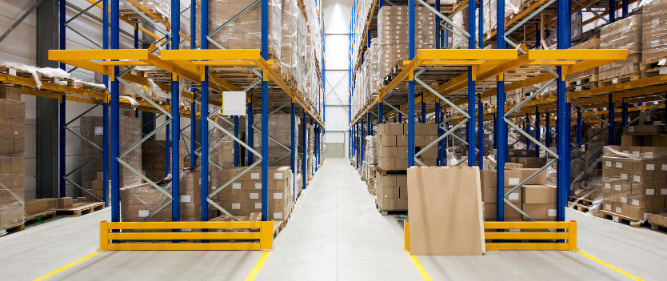
This has more companies considering how to best capitalize on this demand, and automated robotics are taking the storage and distribution game to new heights — literally.
July marks an exciting milestone for Stellar: our 30th anniversary. While we’ve celebrated plenty of remarkable moments over the past three decades, we know we’re not the only ones. Food processing has experienced several turning points of its own, signifying key changes that have molded food manufacturing as we know it today. Continue Reading “[Timeline] 9 Defining Moments for the Food Processing Industry”
At this time of year, many food processors are planning next year’s capital expenditures, which often means piecing together budgets for upcoming food plant construction projects. It is important to create the most accurate budget possible: a tricky task. Frequently, food processors prepare budgets without the assistance of an experienced design-builder. By doing so, they make assumptions that can skew their entire budget.
Food and beverage processors are increasingly turning towards robotics for the technology’s slew of benefits including reduced costs, upped throughput and increased food and worker safety. Earlier this month, I contributed to the Food Engineering article, “The rise of robotic automation,” discussing the functionality for robots in the food processing industry. While robotics does boast various benefits to food manufacturing, it’s important to follow some best practices during your own implementation. Continue Reading “5 Best Practices for Using Robotics in Your Food Processing Plant”
As food safety regulatory requirements become more stringent, equipment manufacturers are stepping up to the plate and increasing the role they play in the industry. The American Meat Institute’s (AMI) 10 sanitary design principles offer baseline standards for equipment design, yet many suppliers are going above and beyond these standards by offering improved surfaces, cleaning chemicals, and construction processes.
Food processing facilities have come a long way since pre-industrial days. Each year, food and beverage companies rely more heavily on automation, high-tech building management systems, remotely accessible machine sensors, modern data collection and the latest technology. While these innovations can help facilities run more smoothly, they can also leave them vulnerable to data breaches and cyberattacks.
In 2020, the average cost of a cyberattack was approximately $3.86 million,according to the Association for Packaging and Processing Technologies (PMMI). When computer intrusions happen, cybercriminals are typically seeking out a company’s intellectual property or customer and client data that can be exchanged for digital currencies, like passwords, protected health information, personal identity information and credit card information.
Every company will be targeted by a malware or ransomware attack at some point. It’s just a matter of when, so it’s vital to have a robust cybersecurity plan that protects your assets and information.