

Food Plant Sanitation: How to Integrate Regular Cleaning Into Your Facility’s Processing

Most of us enjoy cooking food that we love to eat. It’s the cleanup that we hate. Have you ever made a home-cooked meal that didn’t involve cleaning? Probably not. Also, those of us who like to cook would never start with dirty utensils and pans, right?

Food manufacturing facilities operate in the same way. They aim to produce high-quality products while minimizing the cleanup involved, but they must first begin processing with clean equipment. But that can be easier said than done.

Continue Reading “Food Plant Sanitation: How to Integrate Regular Cleaning Into Your Facility’s Processing”

Food Manufacturing Plant Design: Tips for Preventing Food Safety Issues

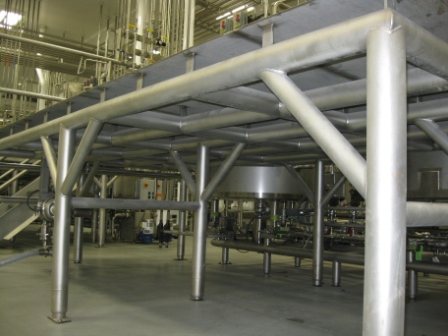
An exemplary model for sanitary equipment design


One of the most common causes of food safety problems is a flaw in the sanitary design of food processing equipment. When building new facilities or installing new lines, many food manufacturers struggle with increasingly fast-paced project schedules and limited funds, which affect priorities assigned to sanitary equipment design and requirements during the early stages of a project.

Continue Reading “Food Manufacturing Plant Design: Tips for Preventing Food Safety Issues”

Understanding LEED v4’s Energy and Water Use Prerequisites and Credits

When it comes to green building, LEED v4 is the new standard. As of October 31, 2016, the United States Green Building Council (USGBC) will only accept new LEED registrations under LEED v4. Although the registration date was extended, the last day projects can submit for v3 certification — the sunset date — is still June 30, 2021.

The latest version of the LEED rating system features more rigorous standards, and while some of the credits and prerequisites are essentially the same as the 2009 version, there are some significant changes.

I outlined those changes in a previous post, but now let’s take a closer look at some of the new prerequisites and credits ushered in by LEED v4, specifically those involving energy use and environmental impact.

Continue Reading “Understanding LEED v4’s Energy and Water Use Prerequisites and Credits”

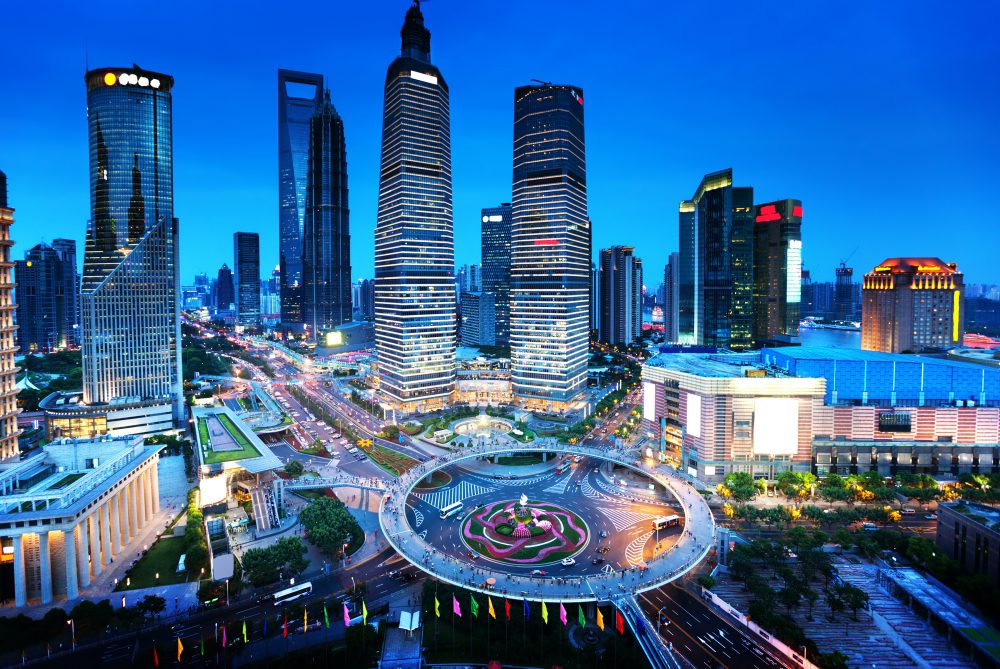
6 Things to Consider When Designing and Building a Food Processing Plant in China

China’s economy has been on a rapid upward trend for the last 20-plus years. It has become the second-largest economy in the world and is flirting with taking the first-place spot. If your company is in any way, shape or form connected to the global economy, chances are you have some connection to China.

With a growing middle class and upper class, China still finds it extremely challenging to supply itself with the kind of quality and value-added food products that these growing populations want.

This has made it enticing for a lot of U.S. food companies to create an even greater presence in China, usually in the form of establishing their own in-country food processing plant.

If you are one of these U.S. companies planning or contemplating establishing a food processing facility in China, here are some things you may want to consider with regard to designing and building the structure:

Continue Reading “6 Things to Consider When Designing and Building a Food Processing Plant in China”

6 Food Safety Areas to Examine During Operational Facility Improvements

Many food plants operate 24 hours a day, seven days a week, in some capacity. Without proper planning, quality control, good manufacturing practices (GMP) and sanitation procedures, an around-the-clock operation is a high-risk candidate for food safety dangers. In this type of environment, how are essential retrofits and renovations accomplished without compromising daily operations, food safety and personnel safety?

Continue Reading “6 Food Safety Areas to Examine During Operational Facility Improvements”

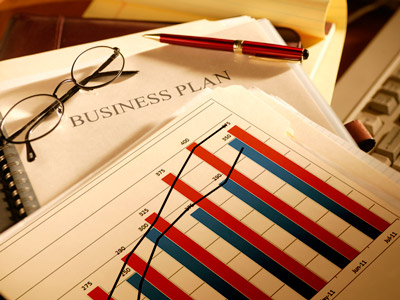
Key Elements to Include in Your Food Processing Facility’s Business Plan

Most strategic plans begin with the development of a business plan, a methodical process where all aspects of the business are defined and analyzed against the company’s business objectives. Food processing companies develop business plans at different stages of their life cycle, especially in preparation to launch a new product line, invest in a facility expansion or to identify new growth opportunities.

Continue Reading “Key Elements to Include in Your Food Processing Facility’s Business Plan”

4 Strategies for Mitigating Supply Chain Disruptions in Your Next Construction Project

Construction firms are fighting an uphill battle to maintain project budgets and schedules as the industry grapples with global supply chain disruptions. 

The Associated General Contractors of America (AGC) reported that material prices for nonresidential construction soared 21% from February 2021 to February 2022, and analysts predict costs will continue going up. Additionally, logistical bottlenecks such as overseas shipping delays and shortages in the transportation sector are drastically impacting project lead times. 

Stellar’s industry veterans are discovering there are ways to mitigate supply chain disruptions and their effects on construction projects — but only if construction firms are willing to shift their paradigm and use a different approach when working with their clients. 

Here are four ways our teams are navigating the waters.

Continue Reading “4 Strategies for Mitigating Supply Chain Disruptions in Your Next Construction Project”

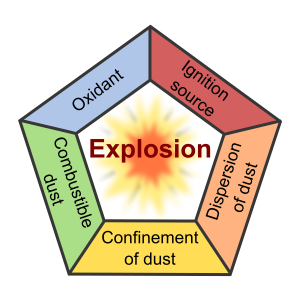
How to Prevent a Dust Explosion at Your Food Processing Plant

Dust explosions have been linked to numerous fatal accidents in the United States. Between 1980 and 2012, the U.S. Chemical Safety Board investigated more than 280 combustible dust incidents that killed 141 people and injured 767 others.

Food manufacturing plants are among the most susceptible to these incidents, especially those in the baking segment that use a lot of flour and sugar. Of course, protecting your facility and employees is paramount, but the risk factors aren’t always obvious. Before we look at how to proactively protect your facility, let’s examine how these disasters can happen.

Continue Reading “How to Prevent a Dust Explosion at Your Food Processing Plant”

Augmented Reality in Building Design and Construction

Image credit: VisualLive‘s AR app, MobiLive


Augmented reality (AR) — superimposing computer-generated images on the user’s view of the real world — is increasingly used in a variety of applications today. From smartphone games and social media filters to furniture design and classroom education, this technology is being utilized across virtually every industry, and building design and construction is no exception.

In fact, exciting developments are happening at the intersection of AR and the work we do at Stellar. While it’s been used as a marketing and selling tool, we’re beginning to apply AR on job sites more frequently. It’s safe to say this powerful technology is revolutionizing the way buildings are designed, constructed and renovated.

Continue Reading “Augmented Reality in Building Design and Construction”

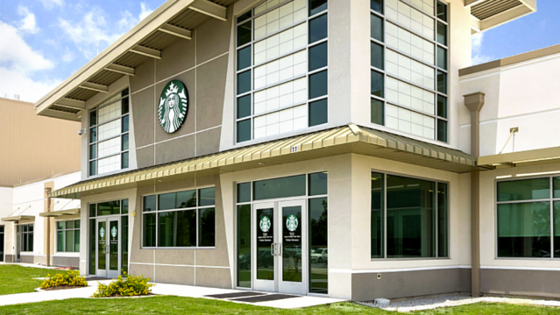
What Coffee Producers Can Learn From Starbucks’ Award-winning Coffee Plant

As today’s home-brewing coffee drinkers continue to seek convenient alternatives to coffee shops, the demand for delicious instant coffee has risen. However, it’s not always easy for processors to produce high-quality instant coffee, as there are many moving parts that must come together to put a tasty cup of joe on the kitchen table.

Continue Reading “What Coffee Producers Can Learn From Starbucks’ Award-winning Coffee Plant”