

5 Things Poultry Processors Can Learn from Bell & Evans’ New Chicken Plant

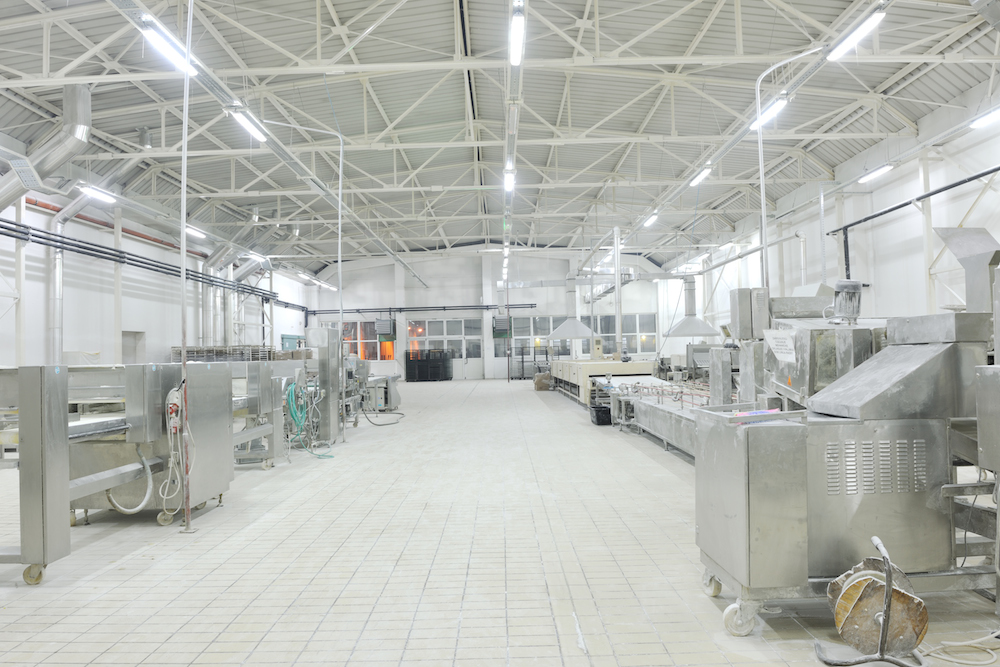
Family-owned premium poultry processor Bell & Evans has remained at the front of its industry’s flock by prioritizing high quality from all angles—from its antibiotic-free chicken to the materials and processes within its facilities. The most recent example of this commitment? A 160,000-square-foot, state-of-the-art chicken packaging, further processing, par-fry and storage plant in its hometown of Fredericksburg, Pennsylvania. Stellar was the design-builder for the poultry plant project and found it to be unlike any other project we’ve been a part of. This new facility is infused with cutting edge innovation and durability inside and out, from its materials and finishes to its packaging process.

Continue Reading “5 Things Poultry Processors Can Learn from Bell & Evans’ New Chicken Plant”

Ammonia Refrigeration: Debunking 3 Myths

In previous blog posts, we’ve discussed that owners of hydrofluorocarbons (HFC) refrigeration systems have some decisions to make as R22 refrigerant is phased out and states take on regulations and enforcement.

Natural refrigerants, like CO2 or ammonia, are good alternatives, but they can sometimes get a bad rap. We’ve debunked some myths about CO2 before — now let’s look at ammonia.

Continue Reading “Ammonia Refrigeration: Debunking 3 Myths”

Do These 5 Things to Maintain Food Safety in Your Older Facility [Infographic]


You don’t need to build a brand new facility to meet modern-day food safety standards. The reality is that most companies don’t have the budget to build from scratch as often as they’d like, but that doesn’t mean your decades-old plant can’t be a shining example of food safety.

Let’s look at five things you can do now to ensure your older facility is up to today’s food safety standards.

Continue Reading “Do These 5 Things to Maintain Food Safety in Your Older Facility [Infographic]”

5 Keys to Forming a Comprehensive Food Plant Emergency Action Plan

Your food processing facility’s commitment to safety starts with being prepared. How do you prepared to be… prepared? With your food plant’s emergency action plan (EAP): a required Occupational Safety and Health Administration (OSHA) document that defines employer and employee actions during workplace emergencies. While emergency action plans that meet minimum requirements may include emergency information and procedures, they still may not contain enough detail to ensure the safest response to dangerous situations. Your plan must be comprehensive, eliminating all confusion and hesitancy in case of an emergency. A non-comprehensive plan — one lacking extensive instruction or failing to address each emergency — may add confusion to the situation.

Continue Reading “5 Keys to Forming a Comprehensive Food Plant Emergency Action Plan”

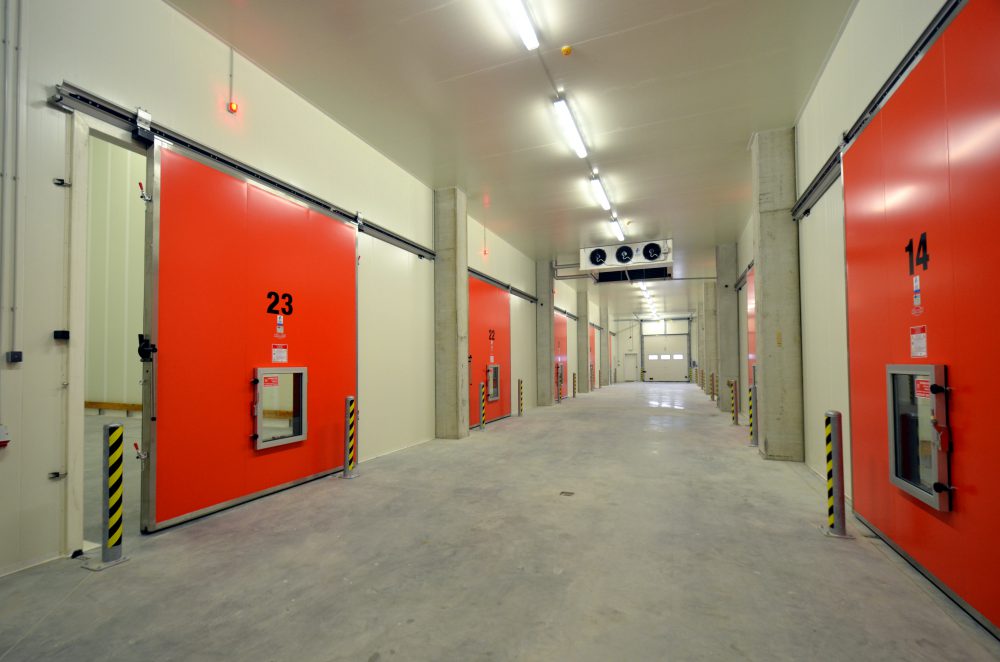
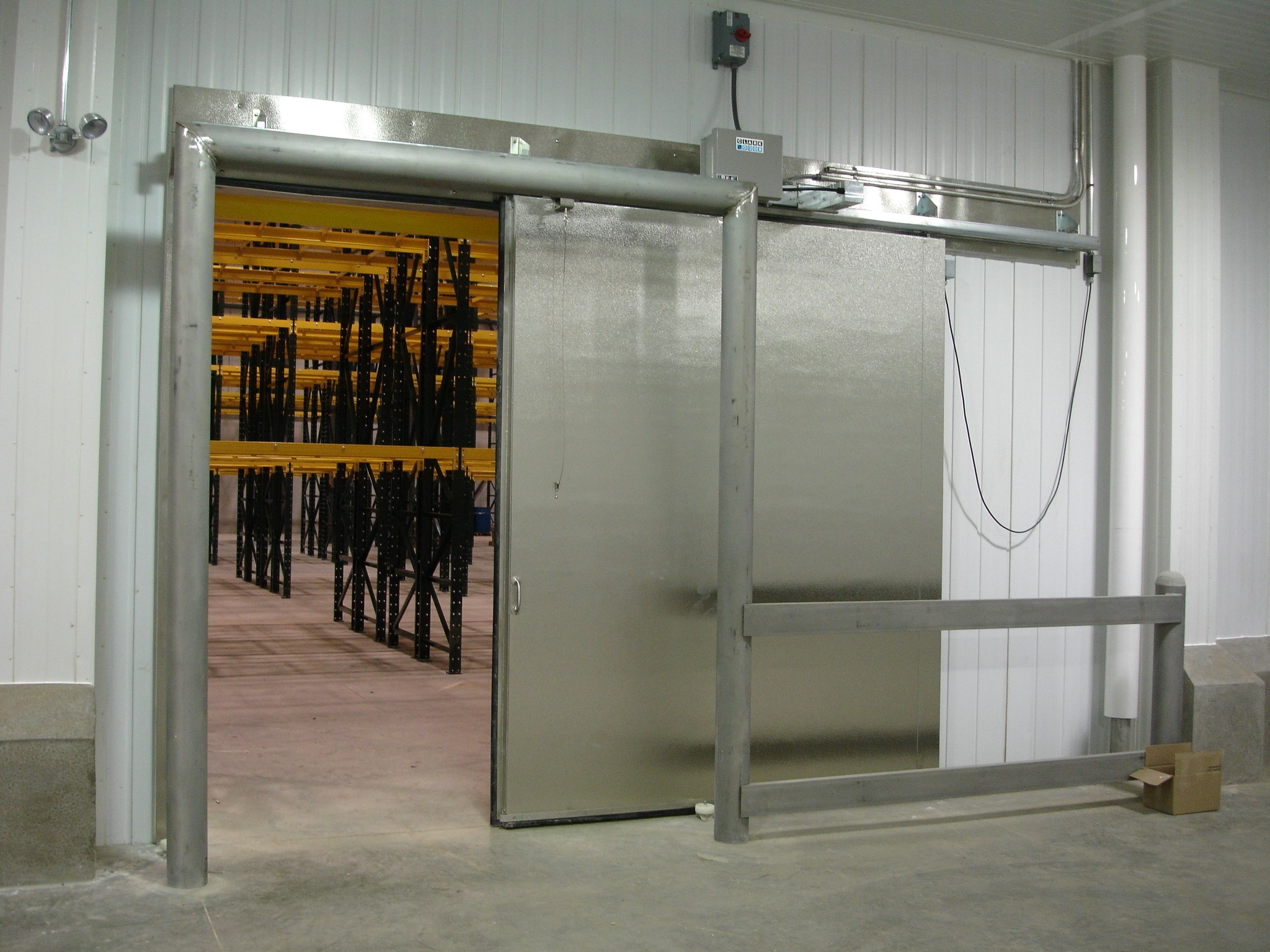
Factors to Consider When Selecting Doors for Your Food Processing Plant

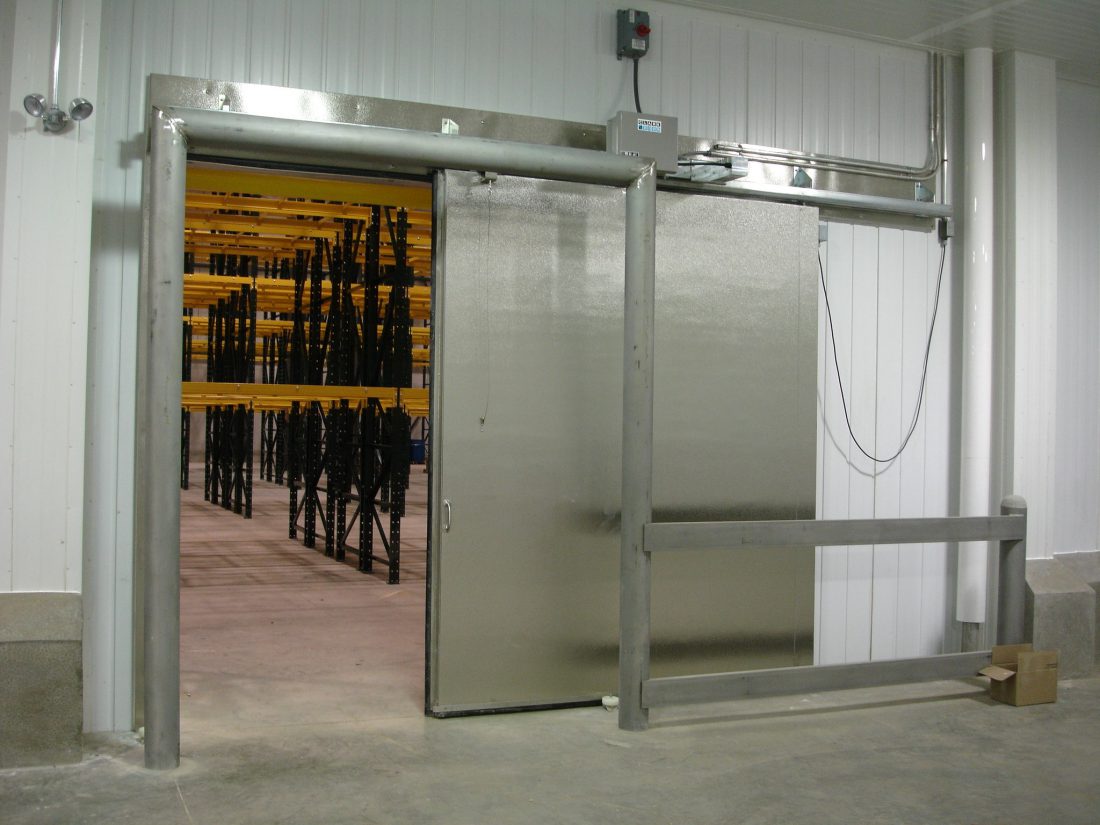
Selecting the proper doors for your cold storage facility is an important part of the decision process for your building envelope. Your food plant design firm will want to look at all aspects of your plant’s operations to determine the most appropriate door types and materials. Installing the proper door will have a positive impact on the facility’s energy costs and productivity, while selecting the wrong type of door can result in down time, costly damage, and unsafe conditions.

Continue Reading “Factors to Consider When Selecting Doors for Your Food Processing Plant”

Choosing the Right Refrigeration Condenser: 5 Variables to Consider

Condensers are one of the most critical elements of a refrigeration system. While optimizing the performance of your condenser is important for reducing energy usage and maintenance costs, if you’re building a new facility, it all starts with selecting the best option for your needs.

Location

When choosing a condenser, it’s important to consider where the facility is located. In colder climates, ice buildup and water freezing may occur with evaporative condensers. To work around this issue, you have two options:

Continue Reading “Choosing the Right Refrigeration Condenser: 5 Variables to Consider”

How a Facility Assessment Helped Royal Cup Coffee Build, Expand and Renovate Efficiently [Case Study]

In our industry, the best project outcomes require a great deal of planning. When it comes to greenfield and renovation projects, that means formulating a manufacturing analysis and a strategic plan. Before investing in any changes, however, a crucial step is understanding the status quo:

  • How is your facility performing?
  • How efficient are your processes?
  • What can be optimized?

A comprehensive facility assessment can answer these questions and more.

Continue Reading “How a Facility Assessment Helped Royal Cup Coffee Build, Expand and Renovate Efficiently [Case Study]”

3 Ways an Integrated Design-Build Firm Can Improve the Food Safety of Your Next Food Manufacturing Facility

Will your new food or beverage facility be the source of a future recall? The answer could all come down to communication. I’m not talking about how well your staff on the plant floor can work together or how effective your leadership skills are as an owner. The fate of your plant can be decided well before a big ribbon is cut and your processing lines whir to life.

The food safety quality of your next facility depends on whether the people designing and constructing your plant can communicate effectively.

This may feel like something that’s outside of your control — but who you hire can be the difference between a project with streamlined communication and a multi-million-dollar game of “telephone” where mixed messages put food safety (and your budget) at risk.

Continue Reading “3 Ways an Integrated Design-Build Firm Can Improve the Food Safety of Your Next Food Manufacturing Facility”

Eight Reasons to Ditch the Paper and Go Digital with PSM

The Occupational Health and Safety Administration (OSHA) mandates Process Safety Management (PSM) for industries involved with highly hazardous chemicals. For example, food processors often have large ammonia refrigeration systems and must comply with OSHA standard 1910.119, or Process Safety Management of Highly Hazardous Chemicals.

Continue Reading “Eight Reasons to Ditch the Paper and Go Digital with PSM”